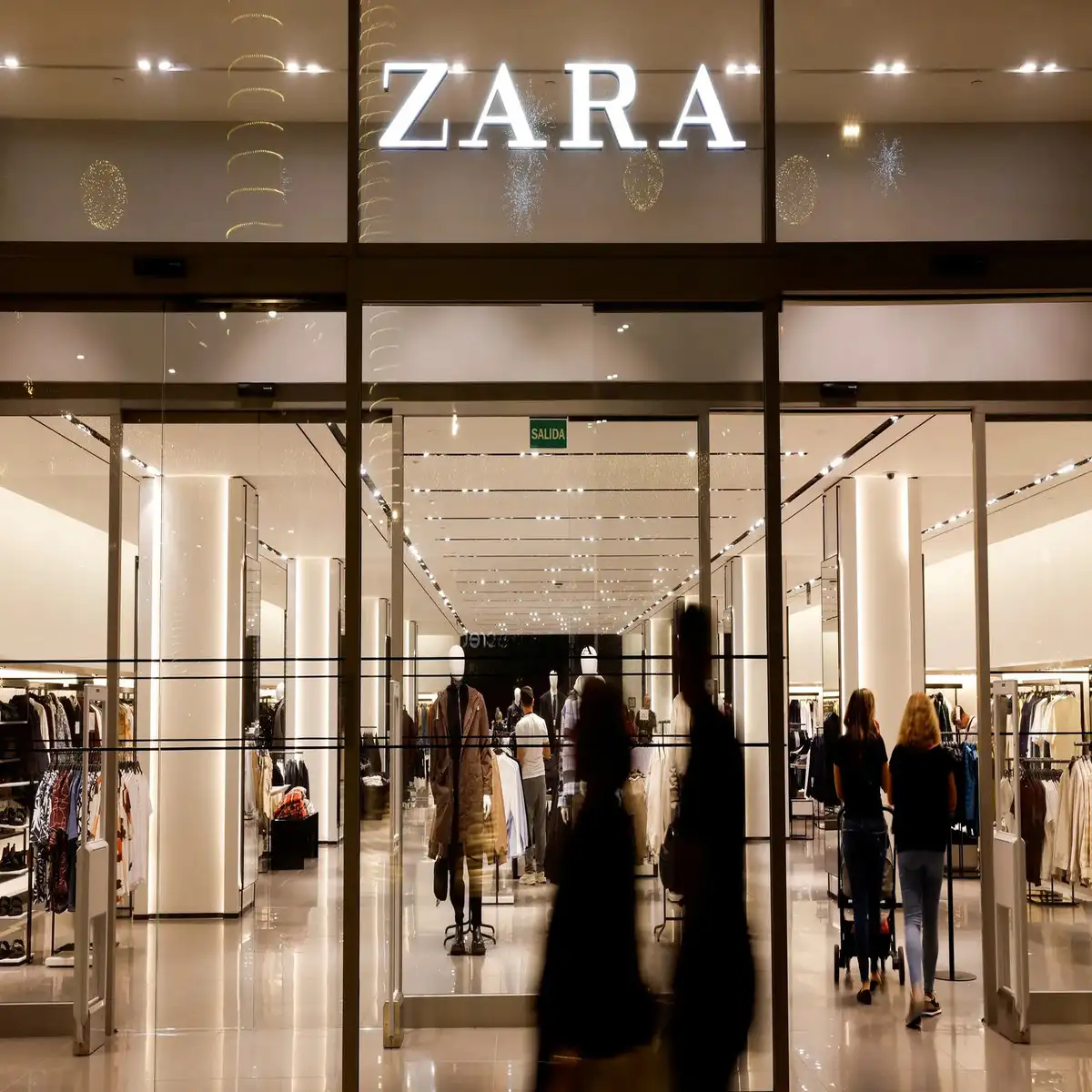
When the doors open for Zara’s End of Season Sale in India, the scene inside isn’t a stylish runway or a curated luxury experience. It’s chaos. Shirts fly off hangers, lines stretch into oblivion, trial rooms resemble war zones, and checkout queues snake through the aisles. For the uninitiated, it may feel more like a bustling fish market than a fashion outlet.
But for Indian fashion lovers, this chaos is worth it. Because Zara’s EOSS (End of Season Sale) is no ordinary markdown event — it’s a cultural phenomenon.
The Zara Effect: A Global Brand With Local Aspirations
Zara entered the Indian market in 2010 through a joint venture with Tata Trent. Since then, the Spanish fast-fashion giant has established itself as the go-to brand for aspirational, global-style clothing. It was one of the first international brands to offer Indian consumers:
- European silhouettes and trends
- Premium fabrics at high-street prices
- Weekly inventory updates
For India’s urban middle class and Gen Z, Zara became the bridge between luxury and affordability.
But with most Zara items priced between ₹2,500 and ₹7,000, many shoppers found themselves admiring from afar. The End of Season Sale is when that window-shopping becomes real shopping.
Why the Madness? 5 Cultural Triggers That Explain It All
1. Aspirational Affordability
India is a price-sensitive market. Zara’s sale, where dresses drop from ₹5,990 to ₹1,990 and shirts go for as low as ₹990, makes global fashion suddenly attainable. The allure of owning a Zara outfit for a fraction of its price is too tempting.
2. Limited Stock Creates Urgency
Zara never restocks the same item twice. This means that once a product goes on sale, it’s truly now or never. Scarcity creates a frenzy, and that drives the fish market chaos.
3. Social Media Validation
“Scored this Zara blazer for ₹1,290!” — posts like these flood Instagram every sale season. The validation of snagging a premium item at a discount fuels shopping bragging rights.
4. FOMO + Peer Pressure
It’s not just about owning Zara, but about not being left out. Friends flaunting their sale hauls spark FOMO (Fear Of Missing Out), leading to impulse shopping.
5. Event-like Experience
Zara sales are no longer just retail events. For many Indian urbanites, it’s a social ritual: make a day of it, go with friends, try 15 things, fight over sizes, and finally post the haul. It’s part retail therapy, part treasure hunt.
What Feeds the ‘Fish Market’ Narrative?
- Overcrowded stores with no space to browse peacefully
- Clothes strewn across floors, hangers empty, trial rooms overbooked
- Low staff-to-customer ratio, making the store look mismanaged
- Aggressive bargain behavior, especially in flagship Zara stores in Delhi, Mumbai, and Bangalore
It may not match the polished ambiance Zara maintains in Europe, but it matches the energy of Indian shoppers who believe in value over vibe.
A Shift to Online? Not Really.
While Zara does run parallel sales on its app and website, the real action still happens in physical stores. Why?
- Size trial is key for Zara’s often inconsistent fits
- Touch and feel matters, especially with fabrics and silhouettes
- In-store thrill adds to the satisfaction
Final Take: It’s Not Just Fashion, It’s Psychology
Zara’s End of Season Sale taps into something deeper than just discounts. It taps into:
- The Indian craving for value + brand
- The joy of winning a deal
- The thrill of being part of a larger collective experience
So yes, it might resemble a fish market. But it’s a fashionable one. Where the chaos isn’t disorder, but desire unleashed.
And in a country where retail therapy is a social high, Zara’s sale is less about shopping and more about scoring. Because when fashion meets frenzy, it’s not just an event—it’s a phenomenon.
FOR MORE BLOGS –beyondthepunchlines.com

Author: Team BTP

 Add to favorites