In India’s ever-evolving fashion retail scene, few nathe legacy and consumer trust that the Tata Group commands. ter launched Zudio. Both brands now operate under Trent Ltd, Tata’s retail arm.
The Genesis of Westside
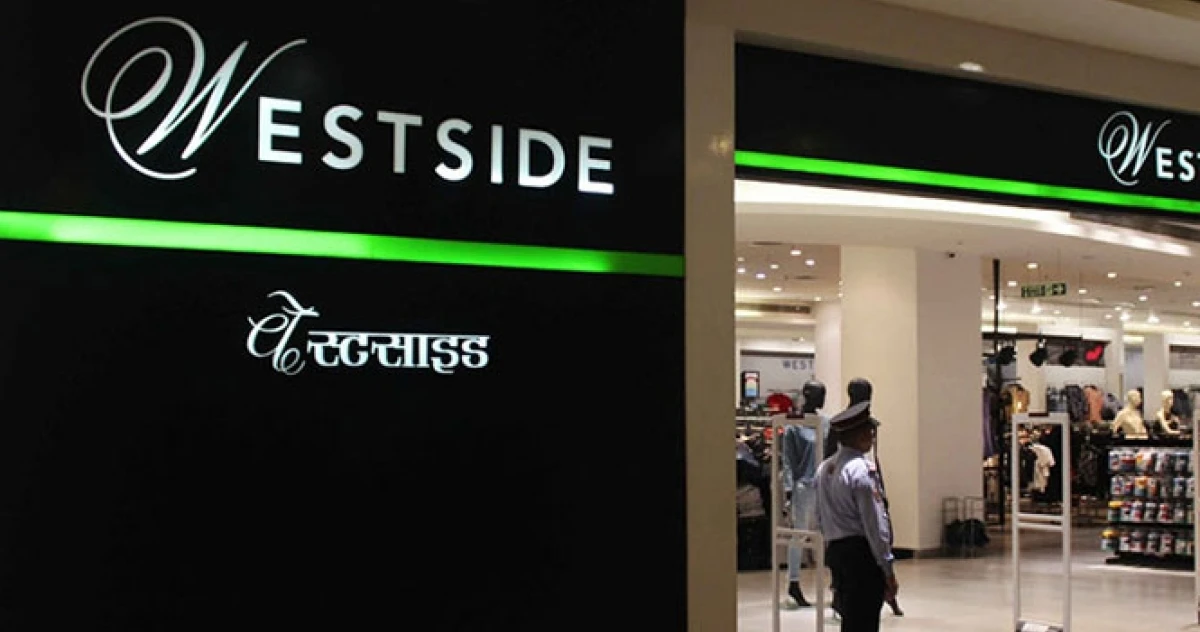
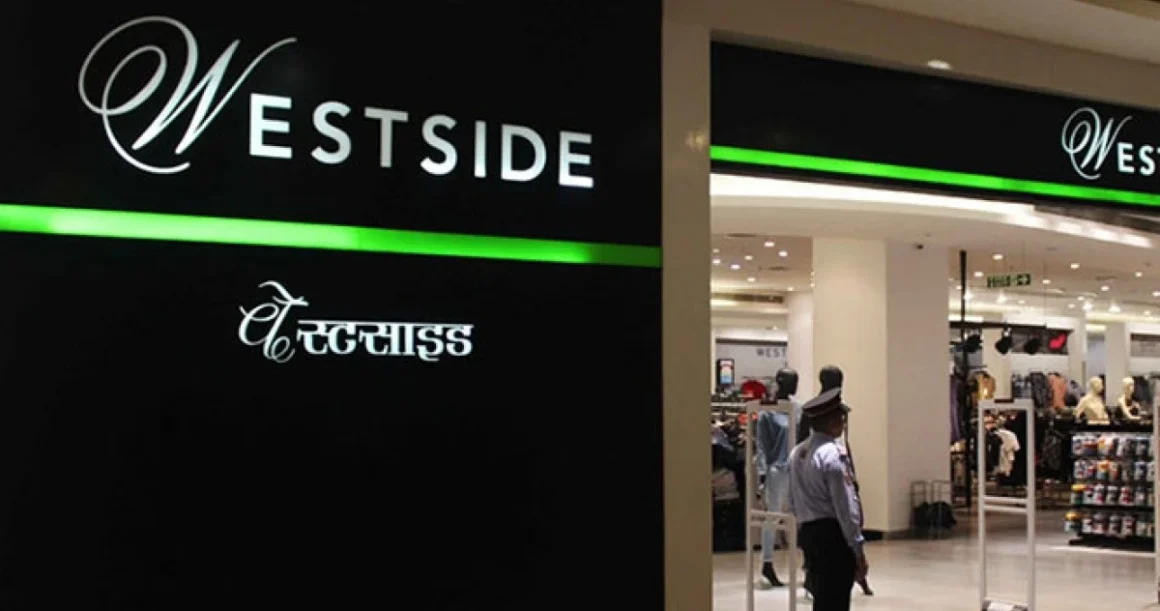
Westside was launched in 1998 under Trent Ltd, with the idea of offering modern, stylish apparel at mid-range pricing. It was Tata’s first serious foray into lifestyle retail, housed under large-format stores and designed to offer a shopping experience comparable to international brands like H\&M or Zara.
Over the years, Westside carved out a niche for:
- Private-label fashion: 100% of Westside’s products are designed in-house.
- Aspirational mid-segment pricing
- Minimalist visual merchandising
Zudio: Born to Serve Bharat
Fast forward to 2016: the retail landscape had changed. E-commerce was booming. Fast fashion was dominating. India’s Tier 2, 3, and 4 cities were demanding trendy clothing at pocket-friendly prices.
Enter Zudio, launched by Trent as a response to the value fashion boom.
- Highly affordable pricing: Most items priced between ₹199 and ₹799
- Mass retail orientation: Positioned for volume-driven sales
- High-turnover fashion: New drops every fortnight
- Focused on youth fashion, basics, and essentials
This is the key strategic question. And the answer lies in segmentation, price elasticity, and brand psychology.
2. Store Format and Product Strategy
Westside operates as a departmental store, offering apparel, cosmetics, accessories, footwear, and home decor. Zudio is fashion-only, hyper-focused on rotating collections and maximizing footfalls.
3. Brand Equity and Perception
Had Trent tried to stretch Westside’s identity downwards into budget fashion, it risked diluting its brand equity. Zudio was launched as a fresh, young, cool alternative that could stand on its own without confusing Westside’s aspirational positioning.
4. Countering the Competition
With brands like Max Fashion (Landmark Group), Reliance Trends, and V-Mart capturing value-conscious consumers, Zudio became Tata’s competitive answer in the high-growth value segment.
Zudio’s Meteoric Rise
Zudio has become a retail phenomenon:
- 350+ stores as of 2024
- Presence in Tier 1 to Tier 4 cities
- Stores run on a franchise or company-owned model, depending on location
- Extremely high conversion rates (thanks to low pricing and trend-focused designs)
It’s become the fashion equivalent of a Big Bazaar for young Indians — fun, fast, cheap, and constantly changing.
Westside: Holding Its Premium Position
- 220+ stores pan-India
- Introduction of brand verticals like NUON, LOV, Bombay Paisley, WES
- Focus on in-store experience, curated collections, and premium private labels
- Price points from ₹799 to ₹3,000+ depending on the collection
A Powerful One-Two Punch for Tata Retail
With Westside and Zudio, Tata has created a two-brand strategy similar to what many global fashion houses do:
| Brand | Price Range | Target Audience | Positioning | Store Format |
|---|---|---|---|---|
| Westside | ₹799–₹3,000+ | Urban middle/upper class | Aspirational fashion-forward | Large-format, premium |
| Zudio | ₹199–₹999 | Mass middle/lower-middle | Affordable, trendy, youthful | Compact, fast-turnover |
This allows Trent to play both ends of the market without brand conflict.
Final Thoughts: Complement, Not Conflict
Westside and Zudio are not rivals. They are retail siblings with different personalities.
One dresses you for brunch at a rooftop cafe. The other gears you up for a college fest in a Tier 3 town.
Together, they let Tata’s Trent capture the full spectrum of Indian fashion—from fast and frugal to refined and premium.
FOR MORE BLOGS – beyondthepunchlines.com

Author: Team BTP

 Add to favorites