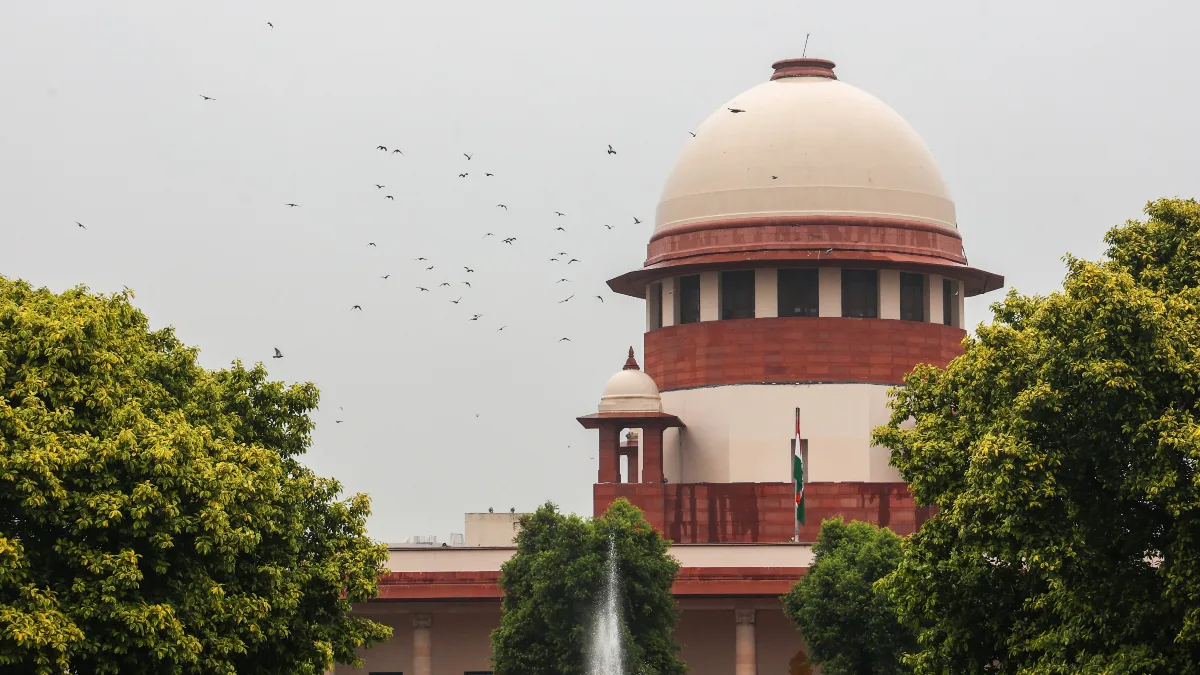
The issue now widely described as the WB SIR Trust Deficit has triggered an extraordinary intervention by the Supreme Court of India. Citing a breakdown of confidence between the Election Commission of India (ECI) and the Government of West Bengal, the apex court directed the appointment of judicial officers to oversee crucial parts of the Special Intensive Revision (SIR) of electoral rolls.
This rare move underscores the seriousness of the dispute and the court’s concern over maintaining neutrality in the electoral process.
What Is the WB SIR Trust Deficit?
The Special Intensive Revision (SIR) exercise is conducted to update electoral rolls, verify voter eligibility, and address claims and objections regarding inclusion or deletion of names. However, disagreements between the West Bengal government and the ECI over officer deployment, procedural transparency, and handling of objections created what the court termed a “trust deficit.”
The conflict escalated to the point where the smooth functioning of the SIR process appeared compromised. Allegations and counter-allegations from both sides raised concerns about administrative neutrality.
Supreme Court’s Extraordinary Order
To resolve the WB SIR Trust Deficit, the Supreme Court directed the Chief Justice of the Calcutta High Court to appoint serving and retired judicial officers. These officers will:
- Adjudicate claims and objections related to voter list revisions
- Supervise disputed cases under the “logical discrepancy” category
- Ensure decisions are taken impartially and transparently
The court observed that it had little choice but to introduce judicial oversight, as the standoff between the state and the ECI risked undermining public confidence in the electoral process.
Why Judicial Oversight Matters
Elections are the backbone of democracy, and voter list accuracy is crucial for free and fair polls. Any perception of bias in revising electoral rolls can trigger political instability.
By bringing in judicial officers, the Supreme Court aims to:
- Restore neutrality to the SIR process
- Protect voter rights
- Prevent administrative deadlock
- Safeguard the credibility of upcoming elections
This step is considered unusual because electoral roll revision is typically handled by election authorities without direct judicial supervision.
Political and Constitutional Implications
The WB SIR Trust Deficit highlights the delicate balance between constitutional institutions. The Election Commission operates independently under the Constitution, while state governments are responsible for providing administrative support.
When coordination fails, it creates institutional friction. The Supreme Court’s intervention reflects its constitutional role as guardian of democratic processes.
The decision also sends a broader message: disputes between constitutional bodies cannot be allowed to jeopardize election integrity.
Impact on Upcoming Elections
The court has permitted the continuation of the SIR process while ensuring disputed cases are handled under judicial oversight. This ensures timelines are not derailed while credibility is maintained.
For voters, the message is clear: the integrity of electoral rolls will be protected through independent supervision.
For political parties, the ruling underscores that allegations alone will not suffice; institutional processes must be respected.
A Rare but Defining Moment
The WB SIR Trust Deficit case may become a landmark in election jurisprudence. Rarely has the Supreme Court stepped so directly into the operational domain of electoral roll revision.
However, the intervention appears aimed at preserving democratic legitimacy rather than overriding institutional authority.
The episode also raises deeper questions:
- How should coordination between state governments and the ECI be improved?
- Can clearer procedural safeguards prevent such conflicts in future?
- Should there be standardized national protocols for SIR disputes?
These questions may shape future electoral reforms.
Conclusion
The WB SIR Trust Deficit has resulted in an extraordinary judicial response. By appointing judicial officers to oversee voter list revision in West Bengal, the Supreme Court has prioritized neutrality, transparency, and democratic integrity.
While the dispute exposed tensions between constitutional bodies, the court’s intervention may ultimately strengthen public confidence in the electoral system. The coming weeks will determine whether this judicial oversight successfully resolves the impasse and ensures a credible electoral process.
FOR MORE BLOGS – beyondthepunchlines.com

Author: Team BTP

 Add to favorites