Trump migration policy: What if national security became the excuse to permanently shut doors for millions seeking a better life, including Third World countries?
On November 27, 2025, the United States witnessed a shocking and unprecedented event that would send immediate ripples through the immigration policy landscape. Two National Guard members were shot near the White House in Washington, D.C., leaving one dead and the other critically injured.
The suspect, identified as a 29-year-old Afghan national who had arrived in the U.S. under the post-Afghanistan evacuation program, triggered a national security alarm and ignited fierce debate over immigration policies.
The incident came as a stark reminder of ongoing concerns about domestic security and the complexities of immigration management in a highly connected world. It captured national and international attention almost instantly, dominating headlines and prompting intense political discussions across media outlets and government corridors.
Citizens, lawmakers, and experts began analysing how this act could affect the safety of U.S. territories, the vetting of migrants, and the broader implications for foreign nationals residing in the country.
Amid heightened emotions and public scrutiny, the Trump administration reacted swiftly, setting in motion policy changes that could have long-term consequences for millions seeking refuge or opportunities in the United States.
The Immediate Response: Third World Countries
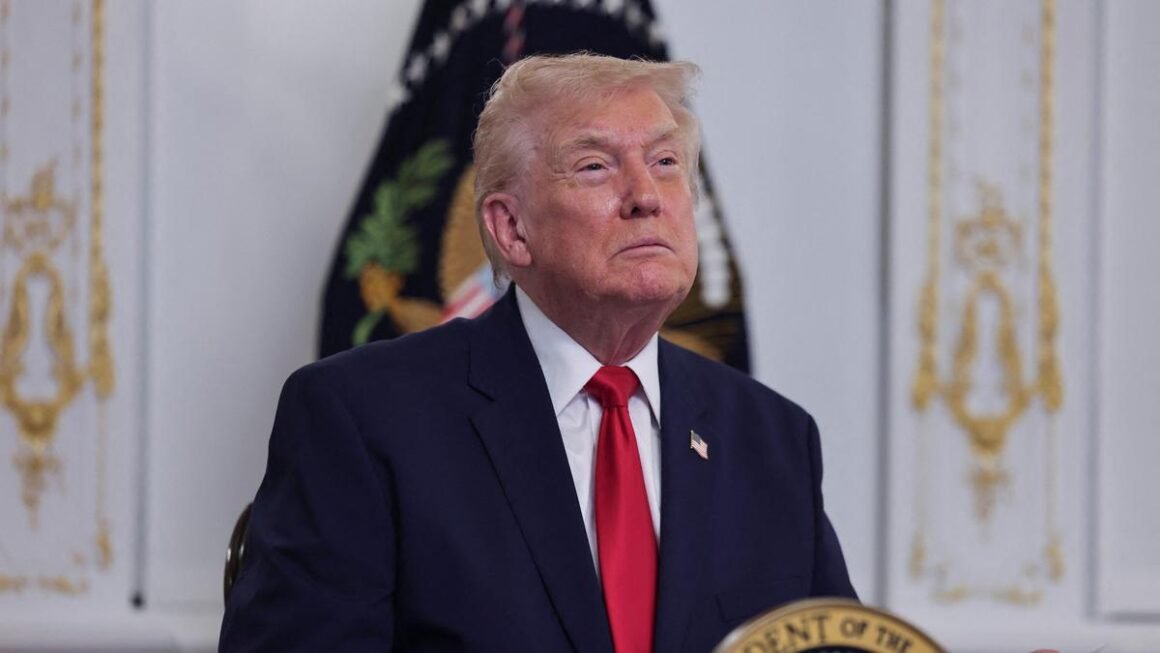
In the wake of this tragedy, former President Donald J. Trump issued a strong statement on his social media platform, Truth Social, announcing a permanent pause on migration from all Third World countries. The move was framed as essential to allow the U.S. immigration system to “fully recover” and to prevent similar incidents in the future.
Authorities also halted all new immigration requests from Afghan nationals and ordered a comprehensive review of immigrants from 19 flagged countries. This includes revisiting green cards, visas, and asylum requests to ensure no potential security threat remains unchecked.
Key Details of Trump’s Announcement: Third World Countries
- Permanent Pause: Migration from all Third World countries will be stopped indefinitely.
- Benefits Restriction: Federal benefits and subsidies for non-citizens may be curtailed.
- Denaturalization & Deportation: Non-citizens deemed a public threat or security risk may face denaturalization and deportation.
- Targeted Review: Current residents from flagged nations will have their immigration status reassessed.
Global and Domestic Impact: Third World Countries
This announcement could affect millions of individuals globally who rely on migration for work, education, or asylum. Refugees from war-torn or impoverished nations may find their paths to safety blocked. The move might strain diplomatic relations with affected countries and shift international migration patterns, potentially increasing pressure on other nations to accommodate displaced populations.
Domestically, industries that rely heavily on immigrant labor may face workforce shortages, while immigrant communities could experience heightened scrutiny and uncertainty regarding their legal status and access to services.
Humanitarian Concerns: Third World Countries
Human rights advocates have expressed alarm over the sweeping nature of the policy. Concerns include:
- Potential discrimination based on nationality.
- Hindrance of asylum processes for vulnerable populations.
- Risk of retroactive legal challenges to existing residents’ status.
Broader Implications: Third World Countries
While the policy aims to prioritize national security, its broader implications could reshape the demographic landscape of immigrants in the U.S. for years to come. Legal challenges are expected, and the international community will closely monitor how these restrictions align with humanitarian obligations and global norms.
Conclusion: Third World Countries
Trump’s announcement following the D.C. shooting marks a significant and controversial shift in U.S. immigration policy. As the nation grapples with the consequences of this decision, both at home and abroad, the coming months will reveal the full extent of its impact on migrants, refugees, and international relations.
FOR MORE BLOGS – beyondthepunchlines.com

Author: Team BTP

 Add to favorites