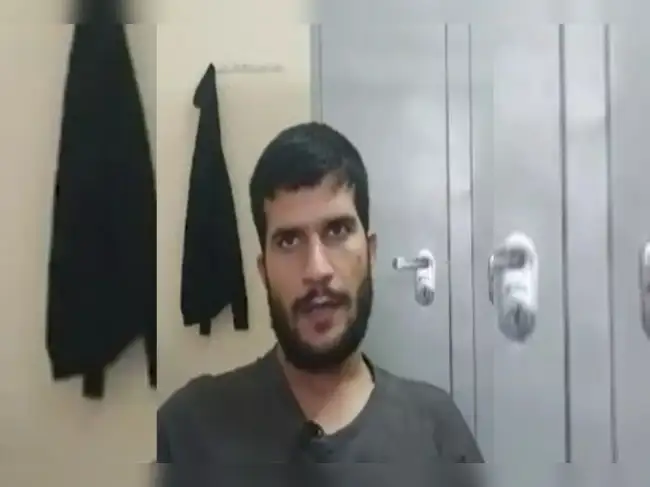
Delhi Bomber’s Chilling Video – A chilling video that reframes terror as “misunderstood” reveals a far darker intent—normalising violence as ideology.
On November 17, 2025, India woke up to a horrifying digital trail left behind by the man responsible for the Delhi blast, a terror attack that shook the national capital and raised urgent questions about radicalisation, online extremist networks, and security gaps in urban India. In a video circulating across social platforms, the bomber looks straight into the camera and delivers the line that has now set the nation on edge: “Suicide bombing is a misunderstood concept.”
This one sentence—cold, calculated, and deliberate—has forced India to confront not just a terror act but a mindset engineered to justify mass murder as a philosophical argument.
A Calm Face, A Deadly Message: What the Bomber Said in the Video
The video does not show rage, fear, or desperation. Instead, it features a disturbingly calm individual who explains his belief that suicide bombing is not an act of insanity or self-harm but a “strategic tool for justice.” According to him, those who call it barbaric “don’t understand the purpose behind it.”
The Delhi Bomber’s Chilling Video implies:
- Violence is justified if done for a “greater cause”
- The attacker is a “martyr fixing injustice”
- The victims are “collateral consequences”
This chilling attempt to rationalise terror reveals a deeper ideological playbook—one where self-destruction is portrayed as heroism.
Why He Said It: Radicalisation in the Age of Algorithms
Security experts say modern radicalisation is not always rooted in physical terror cells. Increasingly, it grows through:
- Encrypted chat groups that exchange indoctrination material
- AI-generated propaganda that amplifies extremist narratives
- Online recruiters who give disillusioned young men a sense of purpose
- Anonymity of the dark web, which allows terror networks to operate undetected
The Delhi Bomber’s Chilling Video language echoes global extremist scripts. Analysts believe he had absorbed a well-rehearsed ideological framework, likely fed through online networks that normalise violence as sacrifice.
Delhi Blast: What Happened That Day
While authorities have not released all details, early investigations suggest:
- The bomber entered a high-footfall zone in central Delhi
- He triggered an improvised explosive device (IED)
- The blast caused extensive damage and multiple casualties
- CCTV captured the tremors as nearby metro infrastructure shook violently
The chilling part? The bomber had pre-recorded the video, which indicates the attack was planned as both a physical and psychological strike.
NIA, Delhi Police, and Intelligence Agencies Step In
The Ministry of Home Affairs has handed the case over to the National Investigation Agency (NIA). A multi-agency task force is examining:
- The bomber’s digital footprint
- Possible handlers or ideological influencers
- Encrypted communication history
- Funding sources, if any
- Dark web activity linked to the attack
Early clues suggest a pattern consistent with self-radicalised lone-wolf behaviour—but agencies are not ruling out sleeper-cell involvement.
“Misunderstood”? The Reality Behind Suicide Bombings
Terror researchers outline three truths that dismantle the Delhi Bomber’s Chilling Video narrative:
1. Suicide bombings are psychological warfare
They are designed to instill mass fear and disrupt societal routine.
2. They rely on vulnerable, indoctrinated individuals
Radical groups prey on those seeking identity, meaning, or revenge.
3. They are marketed as martyrdom
Extremist ideology flips morality upside down, convincing attackers that killing innocents serves a divine purpose..
Public Reaction: Shock, Anger, and Demands for Accountability
As the video spread, social media exploded with reactions:
- Outrage at the bomber’s justification
- Criticism of security lapses
- Fears about Delhi’s vulnerability
- Debates about radicalisation among youth
Many demanded stronger scrutiny of online spaces where indoctrination flourishes unchecked.
Is India Entering a New Phase of Urban Terror?
Security experts warn that India, like many global democracies, is now battling a new generation of lone-wolf attackers—individuals who:
- Radicalise quietly online
- Require minimal logistical support
- Operate outside organised terror outfits
- Are harder to detect until they strike
The Delhi bomber fits the pattern eerily well.
A Nation’s Test: Responding Without Fear
India now faces two battles:
- A battle of security—protecting cities from unpredictable threats.
- A battle of narratives—ensuring extremist ideology does not spread.
Terror doesn’t need armies anymore; it needs attention. It seeks to weaponise fear. And that is why the bomber’s statement is designed not just to shock but to manipulate.
Conclusion: Delhi Bomber’s Chilling Video
The Delhi bomber’s chilling video is more than a justification of violence—it is a stark reminder of how modern radicalisation hides behind soft-spoken narratives and ideological manipulation. His attempt to portray suicide bombing as a “misunderstood concept” exposes the dangerous mindset that extremist networks work tirelessly to cultivate.
India now confronts a dual challenge: preventing physical attacks and dismantling the digital ecosystems that fuel such twisted beliefs. The nation cannot afford to treat this incident as an isolated act. It is a warning, a wake-up call, and a sign of the evolving nature of terror in urban India.
In the end, the bomber’s message fails to achieve what he intended. Instead of fear, it strengthens resolve. Instead of confusion, it sparks clarity. India sees through the lie—terror is not misunderstood; terror is deliberate, destructive, and unforgivable.
FOR MORE BLOGS – beyondthepunchlines.com

Author: Team BTP

 Add to favorites