Parliament Winter Session: A tax pitched as a bridge between health and national security turns into the most contentious flashpoint of the Winter Session.
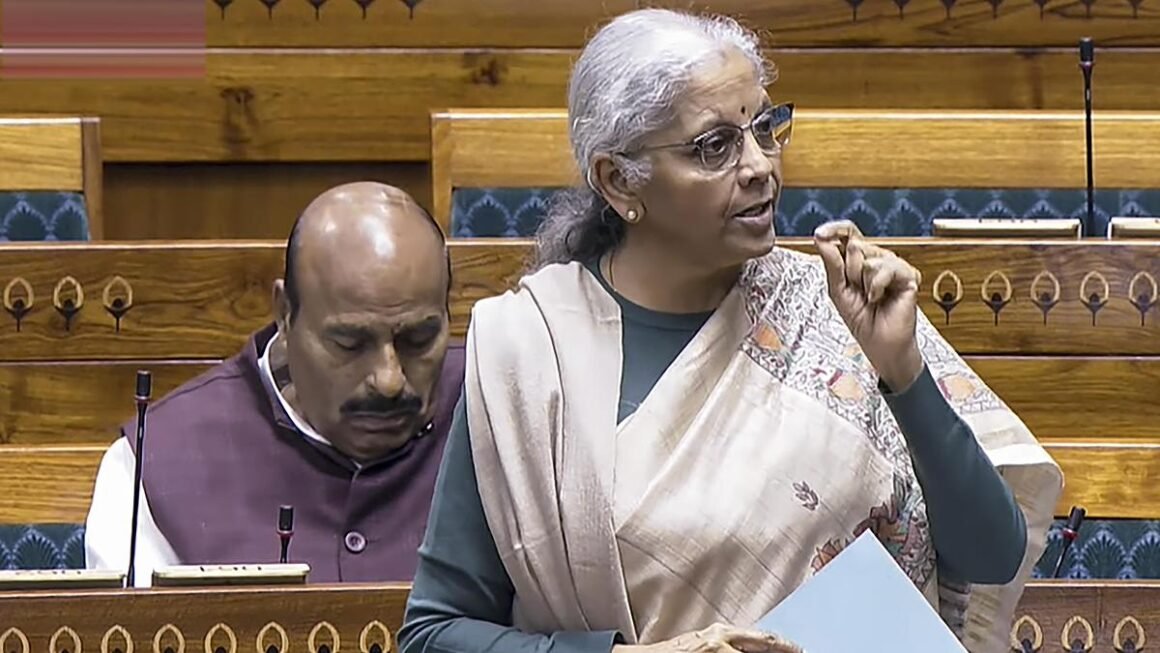
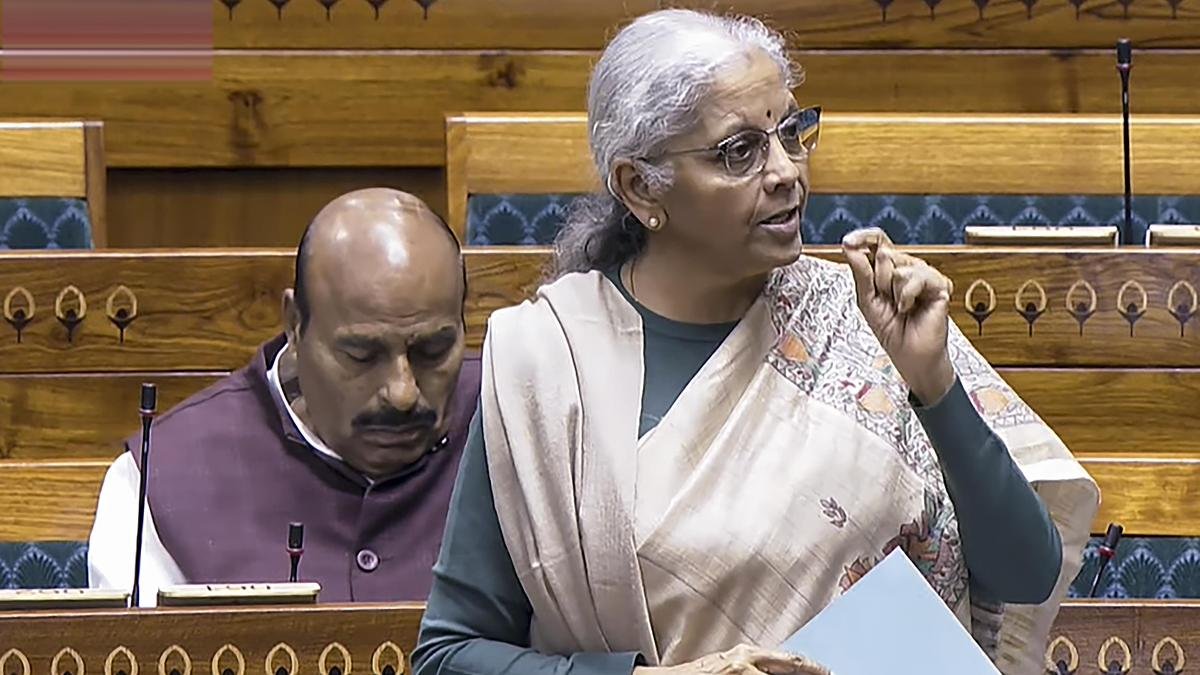
On December 4, 2025, Day 4 of the Winter Session of Parliament unfolded with high drama, disruptions, sharp exchanges, and a heated ideological war as the Lok Sabha took up the Health Security and National Security Cess Bill, 2025. The Bill—moved by Finance Minister Nirmala Sitharaman—aims to create a new cess on harmful, non-essential goods such as pan masala and tobacco-linked products. But behind the legislative language lies a battle over taxation, transparency, public health priorities, and political credibility.
A Morning of Chaos: Protests, Placards & Parallel Demands
The day began with Opposition MPs staging protests demanding urgent debates on:
- Delhi-NCR’s dangerously rising air pollution levels
- Alleged irregularities in the Special Intensive Revision (SIR) of voter rolls
- The government’s handling of unemployment and economic stress
Slogans filled the House as Speaker Om Birla attempted to restore order. By the time the Bill was introduced, the atmosphere was already charged.
What Exactly Is the Health–Security Cess Bill?
The Bill proposes: Parliament Winter Session
- A cess on the production of specified goods considered harmful to public health.
- Taxation based on the production capacity of manufacturing machines, not actual output.
- Revenue directed towards two critical expenditure heads:
- Health security (public health infrastructure, disease preparedness, medical research)
- National security (defence modernization, emergency response, strategic reserves)
This marks one of the rare moments where the government has attempted to link fiscal policy with health and defence objectives—creating both praise and suspicion.
Why Production-Capacity Taxation Is Controversial
Opposition parties strongly criticized the structure of the cess:
- Capacity-based taxation could penalize small‑scale manufacturers, leading to shutdowns.
- Factories will pay the cess even during low-output periods, creating a fixed financial burden.
- Industry experts fear that the provision may push smaller units into the informal sector or force closures.
Manufacturers of pan masala, gutkha, zarda, and related goods—many concentrated in states like UP, MP, and Gujarat—are concerned that this could reshape the economics of their entire industry.
Government’s Defence: Public Health First
Finance Minister Sitharaman defended the Bill aggressively, stating that:
- Essential commodities will not be taxed.
- Demerit goods must be taxed aggressively to compensate for the public health burden they create.
- The revenue will be used for disease surveillance, emergency medical stockpiles, and national health missions.
- The cess model reflects global best practices where harmful products fund public welfare.
She also accused the Opposition of “blocking a bill that strengthens India’s health and security foundation.”
Opposition’s Counterattack: “Show Us Where the Money Goes”
The Opposition raised concerns about transparency:
- How will the government ring‑fence the cess revenue?
- Will the money be used strictly for health and security, or diverted to general budgetary expenses?
- Why is the government pushing a major tax bill in the middle of Opposition protests on unrelated issues?
Several MPs also demanded clarity on the exact list of “specified goods,” fearing future expansion that could burden more industries.
Air Pollution Takes Centre Stage Despite the Bill
Even though the Bill was the agenda, air pollution dominated political arguments. MPs from Delhi, Punjab, and Haryana accused the Centre of “ignoring a national health emergency.”
Some demanded: Parliament Winter Session
- A temporary shutdown of polluting units
- Emergency AQI management measures
- A comprehensive winter smog policy
This clash between the immediate health crisis (air pollution) and the long-term health-policy bill created a unique tension in the House.
Economic Impact: Who Gains, Who Loses?
Winners:
- Government revenue for health and defence spending
- Public health institutions that may receive additional funding
- Anti-tobacco and health advocacy groups
Losers:
- Small and medium pan masala/gutkha manufacturers
- Workers in the supply chain who risk job losses if factories downsize
- Consumers who may see a sharp rise in product prices
Economists warned that while the cess may deter harmful consumption, it must be paired with strict oversight to ensure fairness.
National Security Angle: Smart Strategy or Clever Branding?
The linking of “health security” with “national security” raised eyebrows. Critics questioned whether:
- The government is creating a narrative merger to justify new taxation
- Defence spending requires long-term predictable revenue rather than a cess dependent on “sin goods” consumption
Supporters argue that pandemics, biothreats, and health shocks are modern national security concerns, making the linkage logical.
What Happens Next?
The Bill has been moved, but passage isn’t guaranteed smoothly. Expect:
- Amendments
- Walkouts
- Extended debates
- Demands for clearer definitions of taxed goods
- Pressure to publish revenue allocation frameworks
The Rajya Sabha debate will be even more combative if Opposition parties escalate their protests.
FOR MORE BLOGS – beyondthepunchlines.com

Author: Nitin mittal
CA by qualification

 Add to favorites