The escalating Pakistan Afghanistan open war marks one of the most serious confrontations between the two neighboring countries in recent years. What began as sporadic cross-border tensions has now transformed into sustained military operations, official war rhetoric, and disrupted diplomatic engagements at the highest levels.
Pakistan’s leadership has openly acknowledged the severity of the crisis. Defence officials described the situation as an “open war,” confirming that military operations targeting Taliban-linked groups across the border are still continuing. The language signals a dramatic shift from earlier diplomatic caution to overt confrontation.
Operation Against Afghan Taliban Still Continuing
Islamabad has launched a large-scale security campaign aimed at neutralizing militant networks allegedly operating from Afghan soil. Pakistan maintains that groups such as the Tehrik-i-Taliban Pakistan (TTP) have carried out repeated deadly attacks inside its territory while using Afghan territory as safe havens.
According to officials, the operation includes coordinated airstrikes, artillery deployments, and ground maneuvers near the contested Durand Line border. Authorities have rejected speculation that the campaign has been paused, emphasizing that strategic objectives remain active and ongoing.
On the other side, the Afghan Taliban administration denies harboring militants targeting Pakistan. It accuses Islamabad of violating Afghan sovereignty through cross-border strikes. Both sides have exchanged heavy fire in recent days, raising fears of sustained escalation.
Shehbaz Sharif Postpones Russia Visit
The seriousness of the Pakistan Afghanistan open war is further underscored by the decision of Shehbaz Sharif to postpone his scheduled official visit to Russia. The trip was expected to focus on strengthening economic and energy cooperation, but officials cited the “regional and internal situation” as the reason for deferral.
Postponing such a high-profile diplomatic visit reflects Islamabad’s need to prioritize internal security and border stabilization. It also signals to the international community that Pakistan considers the current conflict a matter of urgent national importance.
Diplomatic observers suggest that the delay may affect broader regional dynamics, as Russia has maintained working relationships with both Pakistan and Afghanistan in recent years.
Border Communities Under Pressure
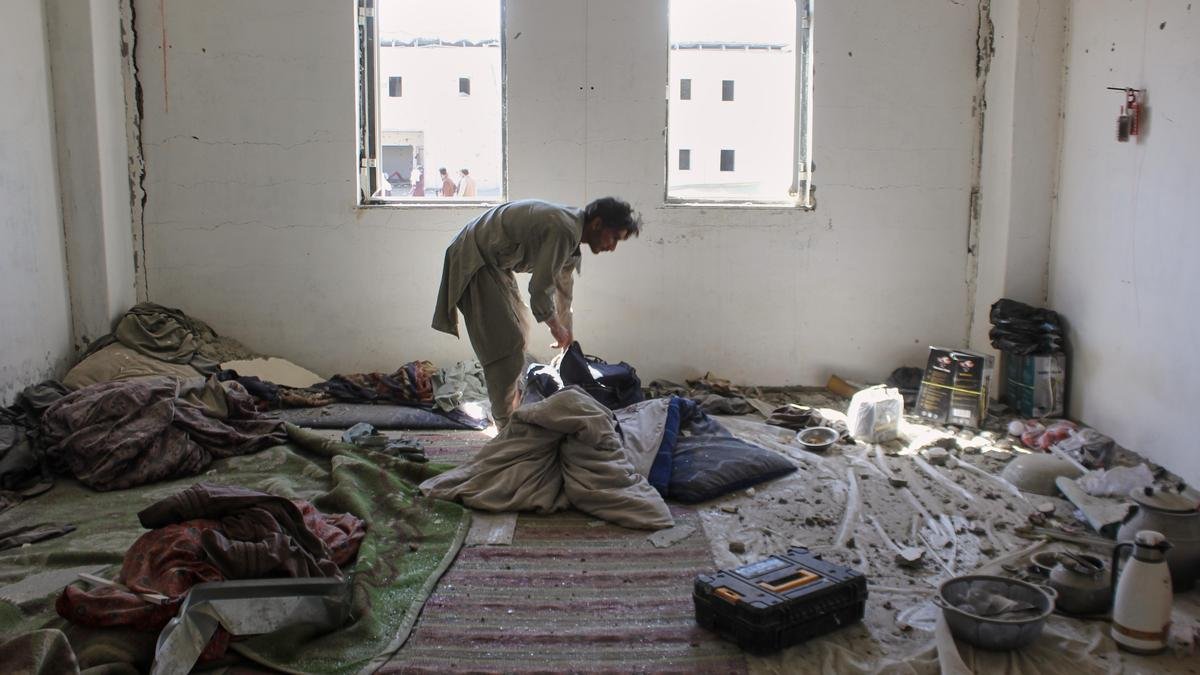
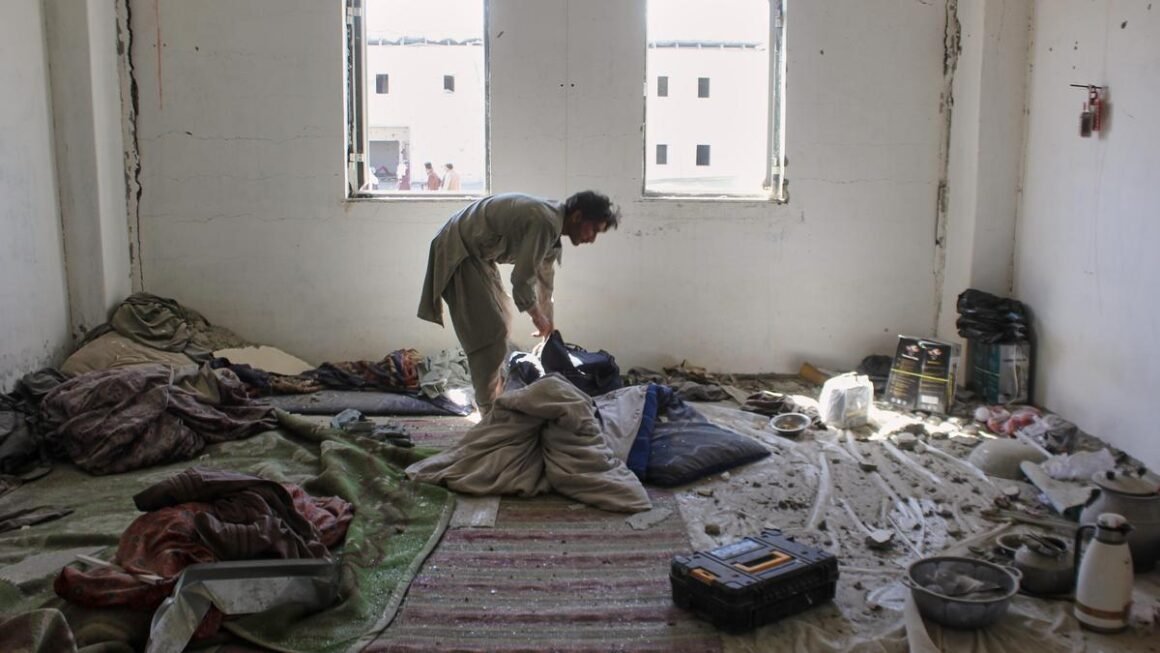
The human cost of the Pakistan Afghanistan open war is already becoming evident. Civilians living along the border regions face displacement, restricted movement, and economic disruption. Schools and markets in some frontier areas have reportedly closed as military exchanges intensify.
Local communities are caught in the middle of artillery fire and security operations. Cross-border trade, already fragile, has slowed significantly, impacting livelihoods dependent on informal and formal trade routes.
Humanitarian concerns are mounting as families seek safer locations amid uncertainty over how long hostilities will continue.
Regional and Global Implications
The conflict has raised alarms beyond South Asia. International powers have urged both sides to pursue diplomatic channels and avoid further escalation. Analysts warn that prolonged hostilities could destabilize the wider region, especially given Afghanistan’s fragile economic and political environment.
The Pakistan Afghanistan open war also carries implications for counterterrorism strategy in the region. Pakistan argues that decisive action is necessary to prevent militant resurgence. Meanwhile, Afghanistan’s leadership insists it will not tolerate violations of its territorial integrity.
The evolving situation presents a strategic dilemma. Continued military engagement could weaken trust further and close doors to negotiation. However, a lack of action may embolden non-state actors operating in border areas.
Political Ramifications Inside Pakistan
Domestically, the conflict places significant pressure on Pakistan’s government and military leadership. Rising security threats often influence political stability and economic performance. Investors and markets tend to react cautiously to prolonged regional instability.
The postponement of foreign engagements and the mobilization of security resources reflect the shifting national focus. The government must balance military operations with diplomatic outreach to prevent isolation on the global stage.
A Fragile Path Forward
As the Pakistan Afghanistan open war continues, the possibility of escalation remains real. Both governments have hardened their positions publicly, yet diplomatic backchannels may still be active behind the scenes.
History shows that border tensions between the two nations have periodically flared, but rarely with such explicit “open war” rhetoric. The coming weeks will be critical in determining whether the conflict stabilizes through negotiation or expands into a prolonged confrontation.
For now, military operations remain active, diplomatic schedules are disrupted, and regional stability hangs in the balance. The trajectory of this conflict will shape not only Pakistan-Afghanistan relations but also broader security dynamics across South and Central Asia.
FOR MORE BLOGS – beyondthepunchlines.com

Author: Team BTP

 Add to favorites