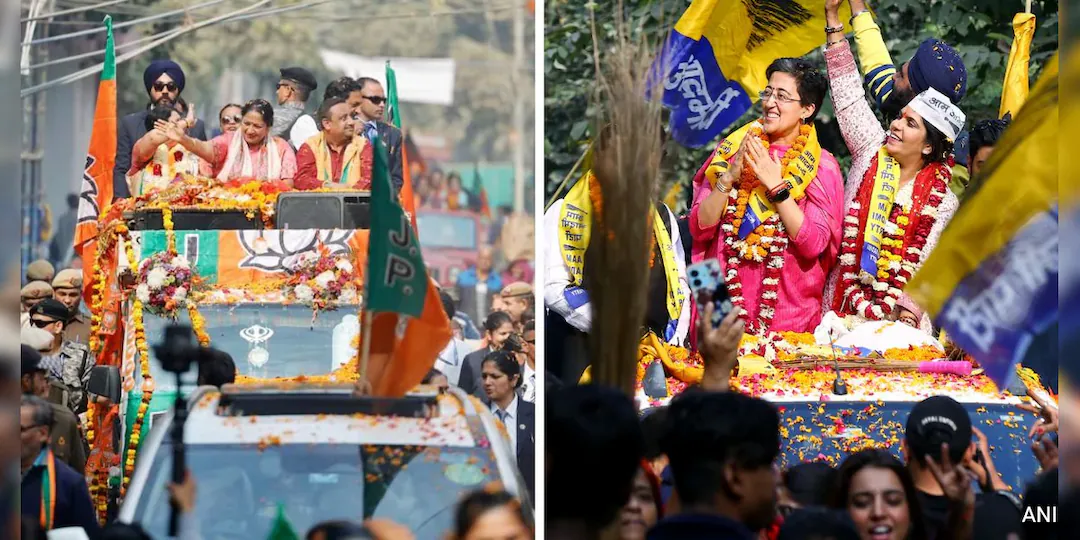
MCD by-election – BJP sweeps 7 wards as Delhi voters send mixed signals to AAP, Congress, and Left
On 3 December 2025, the results of the Municipal Corporation of Delhi (MCD) by-elections were declared, covering 12 wards across the city.
The Bharatiya Janata Party (BJP) emerged as the clear winner, securing 7 of the 12 seats, reaffirming its stronghold in Delhi’s civic governance and demonstrating robust grassroots support. Meanwhile, the Indian National Congress (Congress) and All India Forward Bloc (Left) each claimed 1 ward, signalling minor gains and continued relevance in municipal politics despite challenges from dominant parties.
These MCD by-elections were crucial as they filled vacancies created due to prior councillors being elected to the Delhi Assembly or Parliament. The elections also served as a barometer of public sentiment, providing insight into how voters perceive civic governance, delivery of local services, and the effectiveness of political leadership. Political analysts view these results as a test of the parties’ organisational strength, ground-level outreach, and voter engagement strategies.
Voters in Delhi, known for being politically aware and issue-focused, prioritised candidates’ ability to address local civic concerns such as water supply, sanitation, roads, waste management, and neighbourhood development, rather than merely casting votes based on party loyalty.
By holding this strategy in mind, political parties are not only gauging public opinion but also preparing for larger electoral contests, where municipal performance can influence Assembly and national election outcomes. The MCD by-election results indicate that urban voters are increasingly attentive to local governance issues, holding parties accountable for tangible results and expecting meaningful action at the community level.
Why the Results Matter: MCD by-election
- BJP’s continued dominance: Winning 7 out of 12 seats underscores the party’s strong organizational presence, well-coordinated campaigning, and sustained voter confidence in Delhi’s civic administration.
- AAP’s limited but significant hold: Securing 3 seats demonstrates that the party still has pockets of influence, despite facing challenges and competition from BJP and other political rivals.
- Minor gains for Congress and Left: Even a single seat helps maintain visibility and influence, offering a platform to rebuild or maintain relevance in municipal politics and keep constituents engaged.
- Voter priorities: Results suggest that urban voters prioritize local governance issues, emphasizing the importance of service delivery, infrastructure development, and direct community engagement rather than broader ideological debates.
Political Implications: MCD by-election
- Strengthened BJP control: With these additional seats, the BJP solidifies its grip over the state, influencing civic management, resource allocation, and decision-making processes that directly affect urban residents.
- AAP’s strategic rethink needed: The limited wins indicate a need for AAP to strengthen grassroots outreach, enhance communication with residents, and address local civic concerns more effectively.
- Opportunities for smaller parties: Success by parties like the AIFB highlights that focused attention on local issues can yield electoral gains, even for less dominant or regional parties.
- Voter expectations: Citizens are sending a clear message that local performance, responsiveness, and tangible improvements in civic amenities matter most in municipal elections, which could impact party strategies in upcoming electoral cycles.
- Impact on future elections: The by-election results will inform parties’ strategies ahead of Assembly and national elections, as municipal performance is often seen as an indicator of broader electoral strength.
Conclusion: MCD by-election
The 2025 MCD by-election results demonstrate that while the BJP continues to dominate Delhi’s civic landscape, other parties like AAP, Congress, and Left remain relevant, especially when addressing local concerns. The results underscore the importance of strong ground-level engagement, responsive governance, and voter-focused initiatives.
For all parties, the message is clear: engaging with citizens, delivering on civic promises, and maintaining a strong presence at the grassroots level are critical for future electoral success. Moving forward, the by-election outcomes will likely shape party strategies and influence the political narrative in Delhi, making local governance and civic delivery central themes in the city’s politics
FOR MORE BLOGS – beyondthepunchlines.com

Author: Team BTP

 Add to favorites