A Senate Showdown
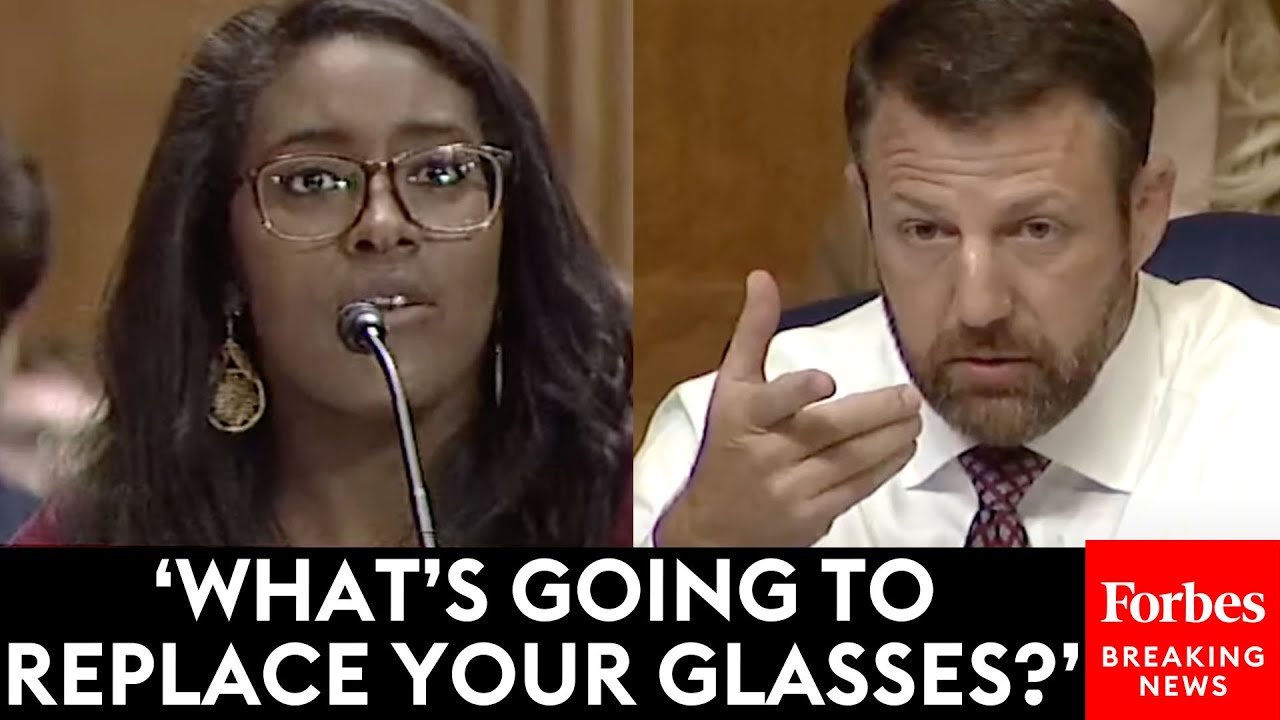
In a heated Senate subcommittee hearing, Markwayne Mullin plastics debate confronted an environmental activist campaigning against plastics. The exchange quickly turned viral after Mullin’s sharp questions exposed the activist’s limited understanding of how plastics underpin daily life.
When asked what her glasses were made of, the activist hesitated. Mullin pointed out that they, like most everyday items, contained plastics. He went on to emphasize that phones, medical devices, vehicles, and even renewable energy systems rely heavily on plastics. His point was simple: it is not feasible to eliminate plastics entirely without viable alternatives.
Shifting the Narrative: Not a Plastics Problem, but a Recycling Problem
Markwayne Mullin plastics debate “We don’t have a plastics problem, we have a recycling problem.” According to him, the focus should be on investing in advanced recycling technologies and creating value in plastic waste management, rather than demonizing the material itself. This pragmatic view reframed the debate from outright bans to realistic solutions.
Criticism of EPA and Activist Influence
Earlier in 2024, Mullin also criticized the EPA’s alignment with anti-plastics activists, questioning whether regulators were being influenced by advocacy groups instead of science and balanced policymaking. He argued that such bias undermines the confidence of industries that provide millions of American jobs.
Why It Markwayne Mullin plastics debate
The exchange resonated because Mullin highlighted a contradiction often overlooked in activist rhetoric: while advocating for the elimination of plastics, many fail to acknowledge their own reliance on plastic-made items. His rebuttal underscored the essential role of plastics in modern society, from healthcare and safety to innovation and sustainability.
Conclusion of Markwayne Mullin plastics debate
Senator Mullin’s takedown was more than political theater—it was a sharp reminder that the solution lies not in vilifying plastics but in revolutionizing how we recycle and reuse them. His performance in the Senate has since been championed by pro-industry voices and criticized by environmentalists, making it a defining moment in America’s ongoing plastics debate.
FOR MORE BLOGS – beyondthepunchlines.com

Author: Team BTP

 Add to favorites