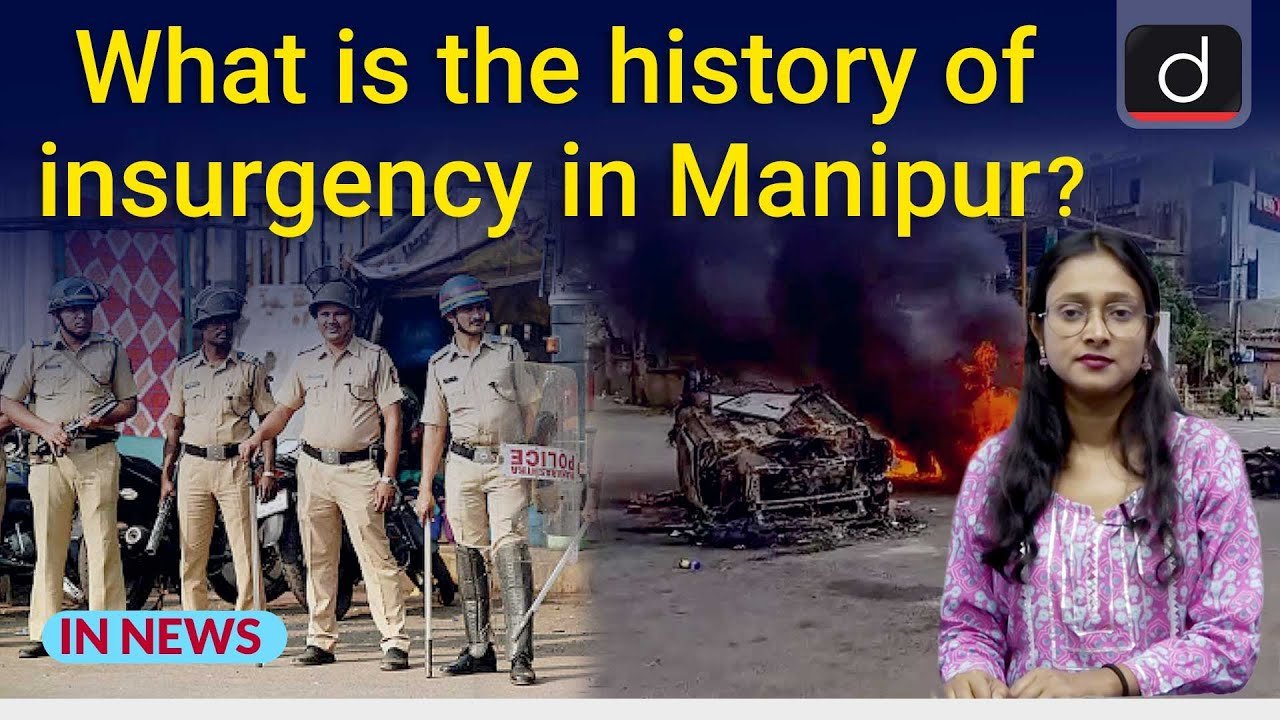
Underlying the conflict are deep-rooted ethnic divisions, unresolved historical grievances, economic exclusion, and complex cross-border dynamics. Congress and BJP, Manipur continues to grapple with instability and violence. Let’s delve deeper into this turbulent century and explore why peace remains elusive.
Roots of the Conflict
The Contested Merger
In September 1949, the Maharaja of Manipur was coerced into signing the Manipur Merger Agreement without a popular mandate. This event planted seeds of deep resentment among the Meitei community, fueling narratives of “colonial annexation” and sowing discord that persists today.
Militarisation and Human Rights Violations
The imposition of the Armed Forces (Special Powers) Act (AFSPA) in 1980 by Indira Gandhi’s government entrenched military presence and human rights abuses in the region.
Cross-Border Complications
Manipur shares a porous border with Myanmar, making it vulnerable to illegal arms trafficking, narcotics trade, and refugee influxes. Fighters fleeing Myanmar’s civil war have periodically intensified the conflict by rearming local factions, perpetuating a cycle of violence.
Economic Neglect
This economic disparity creates fertile ground for militant recruitment.
Government Responses Over the Decades
Congress Era (1950-2014)
The imposition of AFSPA in 1980 marked a turn towards militarization. Subsequent initiatives like the Suspension-of-Operations (SoO) with Kuki m
Rahul his 2013 statement advocating devolution and nego His persistent critiques inadvertently reflect the inadequacies of his own party’s past governance.
The mishandling of the 2023 ethnic violence, triggered by Meitei demands for Scheduled Tribe status, has led to severe criticism. The imposition of President’s Rule in 2025 underscores BJP’s struggle to stabilize the region effectively.
Why Peace Remains Elusive
Fragmented Insurgency
The presence of over 40 insurgent groups with conflicting demands—ranging from sovereignty to autonomous homelands—complicates comprehensive peace negotiations. Deals often remain partial, addressing only isolated segments of the population.
Identity Politics
Ethnic identity politics, exemplified by the tug-of-war over ST quotas between Meiteis and tribal communities, politicizes governance decisions and deepens existing divides.
Rahul Gandhi’s Criticism: A Mirror to Congress Failures
Rahul Gandhi’s persistent criticism of the BJP’s handling of Manipur unintentionally underscores his party’s historical neglect and failures. Congress, havinDecades of Congress governance witnessed heightened militarization, ineffective developmental programs, and partial peace deals that never fully addressed core grievances.His current outsp
Way Forward
- Inclusive Peace Dialogue: Comprehensive negotiations involving all ethnic groups to achieve meaningful and lasting peace.
- Balanced Development: Transparent and targeted infrastructure projects ensuring equitable development across hills and valleys.
- Gradual Demilitarization: Carefully calibrated removal of AFSPA linked to tangible improvements in security and accountability for past abuses.
Conclusion
Manipur’s century-long struggle illustrates a complex interplay of historical injustice, ethnic divisions, political mismanagement, and socio-economic neglect.
Congress and BJP governments have alternated between heavy-handed militarization and selective peace initiatives without addressing the underlying issues comprehensively.
Rahul Gandhi’s continued criticism inadvertently spotlights his own party’s longstanding failures, serving as a reminder that true peace and stability require cohesive, inclusive strategies that span ethnic divides, prioritize equitable development, and genuinely respect human rights.
FOR MORE BLOGS – beyondthepunchlines.com

Author: Team BTP

 Add to favorites