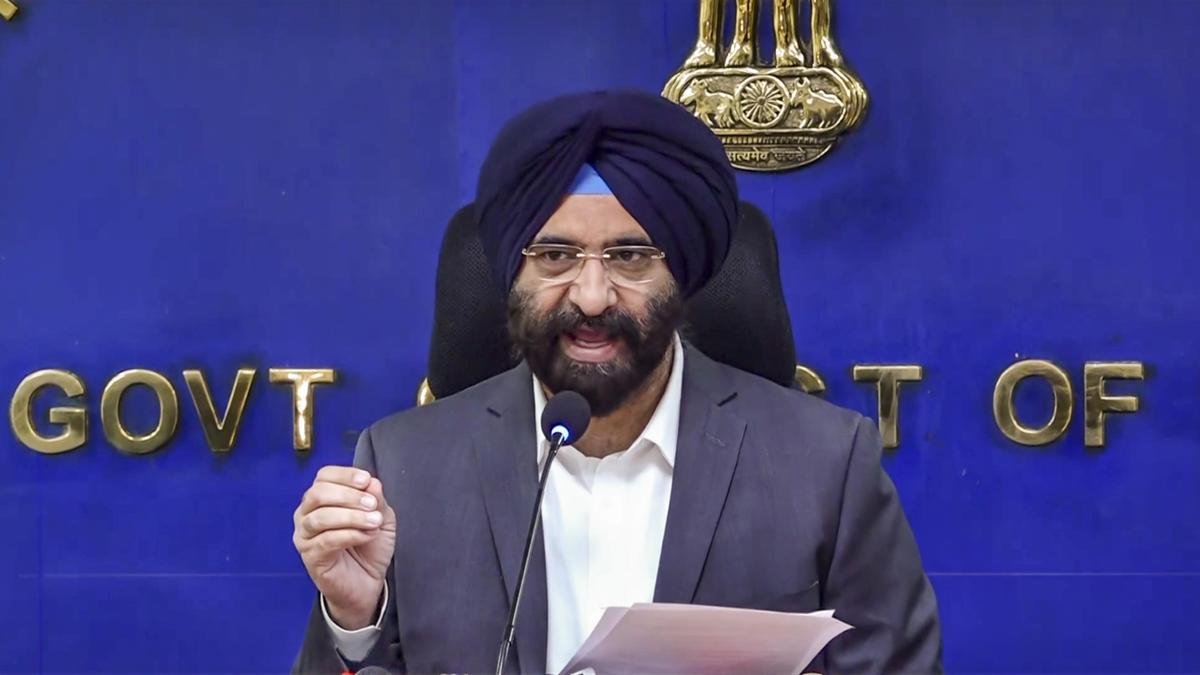
Lok Sabha Nuclear Energy Bill opens India’s atom to private players, igniting a high-stakes debate over power, safety, and the nation’s energy future.
The Lok Sabha on Tuesday passed a landmark nuclear energy legislation that opens India’s tightly controlled civil nuclear sector to private companies, marking one of the most significant policy shifts in the country’s energy framework since Independence.
The Bill, officially titled the Sustainable Harnessing and Advancement of Nuclear Energy for Transforming India (SHANTI) Bill, 2025, allows private sector participation in nuclear power generation, plant construction, and allied activities — areas that were until now reserved exclusively for government-owned entities under the Atomic Energy Act, 1962.
What the Lok Sabha Nuclear Energy Bill Changes
For over six decades, nuclear power in India remained a strategic state monopoly due to national security, safety, and liability concerns. The passage of the SHANTI Bill fundamentally alters that model by enabling regulated private investment while retaining sovereign oversight.
Key provisions of the Bill include: Lok Sabha Nuclear Energy Bill
• Entry of private and joint-venture companies into civil nuclear power projects
• Legal framework for public-private partnerships in reactor construction and operation
• Amendments to existing laws to facilitate investment, financing, and technology collaboration
• Assurances of stringent safety, regulatory, and liability mechanisms under an expanded oversight regime
The government said the reforms are essential to accelerate capacity addition and reduce dependence on fossil fuels.
Government’s Pitch: Clean Energy and 100 GW Target
Introducing the Bill, the government argued that nuclear energy is critical for India’s long-term clean energy transition. With rising electricity demand and climate commitments, officials said public funding alone cannot meet the scale of investment required.
The Centre has set an ambitious target of achieving 100 gigawatts of nuclear power capacity by 2047, coinciding with 100 years of Independence. Currently, nuclear energy contributes less than 2 percent to India’s total power generation.
According to the government, private sector participation will bring capital, innovation, faster execution, and global best practices into the sector while maintaining national control over sensitive technologies.
Opposition Walkout and Safety Concerns
The Bill was passed amid strong opposition protests, with several Opposition MPs staging a walkout from the Lok Sabha. Critics argued that privatisation in a high-risk sector like nuclear energy could dilute accountability and compromise public safety.
Senior Congress leader Shashi Tharoor described the move as a “dangerous leap into privatised nuclear expansion,” warning that supplier liability and disaster accountability could become blurred under private ownership structures.
Opposition parties also demanded that the Bill be referred to a Joint Parliamentary Committee (JPC) for wider consultation, citing potential environmental, health, and security implications.
Lok Sabha Nuclear Energy Bill: Safety, Liability and Regulatory Oversight
Responding to concerns, the government insisted that the Bill does not weaken India’s nuclear safety architecture. Officials said the Atomic Energy Regulatory Board (AERB) and other statutory bodies will continue to exercise strict oversight.
The legislation reportedly retains the principle of operator liability while allowing flexibility in supplier arrangements, an issue that has historically deterred private and foreign investment in India’s nuclear sector.
Government sources maintained that safety standards will remain aligned with international conventions and that national interest will remain paramount.
Lok Sabha Nuclear Energy Bill: Why the Bill Matters
The passage of the nuclear energy Bill signals a broader shift in India’s economic and strategic thinking — from state dominance to controlled private participation in sensitive sectors. Supporters see it as a necessary reform to meet climate goals and energy security needs.
However, the move also reopens debates on regulatory capacity, disaster preparedness, and public trust in privatised critical infrastructure.
As the Bill moves to the Rajya Sabha for consideration, its long-term impact will depend on how effectively the government balances private participation with transparency, safety, and national security.
FOR MORE BLOGS – beyondthepunchlines.com

Author: Nitin mittal
CA by qualification

 Add to favorites