plastic waste management compliance
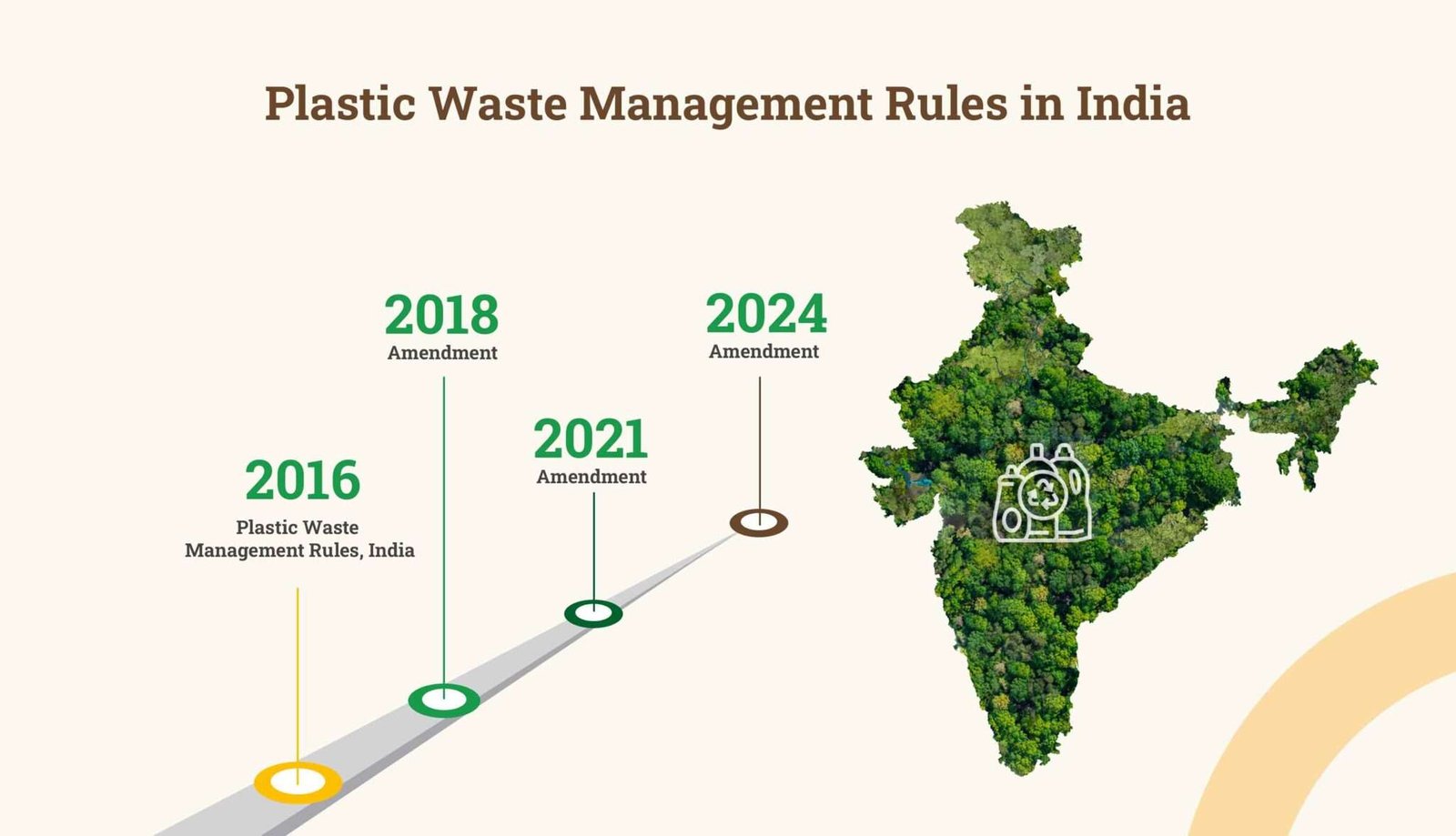
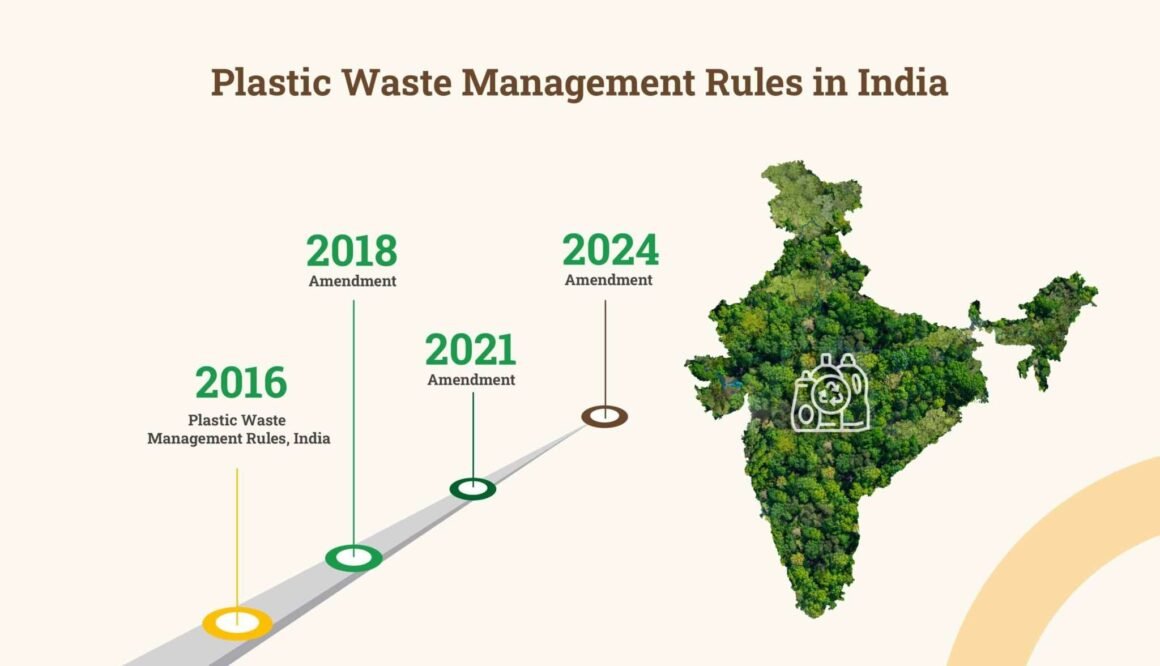
Plastic pollution has become one of the most pressing environmental challenges in India. With over 3.4 million tonnes of plastic waste generated each year, the government introduced the Plastic Waste Management (PWM) Rules, 2016, later strengthened by the PWM Amendment Rules, 2022. One of the most important provisions of these rules is Extended Producer Responsibility (EPR).
EPR makes companies legally responsible for managing the plastic they introduce into the market. But the most common question asked by businesses is: Who needs EPR compliance under Plastic Waste Rules? This article provides a detailed explanation to help businesses understand if they fall under mandatory EPR compliance.
What is EPR?
Extended Producer Responsibility (EPR) is a policy where the responsibility for plastic waste management is shifted from government bodies to the businesses that generate plastic waste. Under EPR, companies must collect, recycle, or dispose of the plastic they generate through their products or packaging.
EPR is applicable specifically to plastic packaging waste, including both pre-consumer and post-consumer plastic.
Who Needs EPR Compliance?
Any business that manufactures, imports, or uses plastic packaging must register under the CPCB (Central Pollution Control Board) EPR Portal. These businesses fall into four main categories:
1. Producers (Plastic Manufacturers)
Companies that manufacture plastic packaging or raw material for plastic packaging fall under this category.
Examples:
- PET bottle manufacturers
- Plastic carry bag manufacturers
- LDPE/HDPE sheet producers
- Multilayer plastic (MLP) packaging manufacturers
2. Importers
Businesses that import plastic packaging or goods packed in plastic must obtain EPR registration.
Examples:
- Importers of plastic toys, electronics, cosmetics, or packaged goods
- Importers of plastic granules or resins
- Importers supplying global products to Indian markets
3. Brand Owners
Brand owners are companies that sell products under their brand name using plastic packaging, even if they outsource production.
Examples:
- FMCG brands (Pepsi, Nestle, Britannia, Haldiram’s)
- Beauty & cosmetics brands (Mamaearth, Lakme, Himalaya)
- E-commerce private labels (Amazon Basics, Flipkart SmartBuy)
- Food delivery platforms using plastic packaging (Zomato, Swiggy)
4. Plastic Waste Processors (PWPs)
These are entities that collect, recycle, or process plastic waste.
They include:
- Plastic recyclers
- Waste-to-energy plants
- Co-processing units (cement kilns)
- Plastic waste collection centers
These entities must register to legally issue EPR recycling certificates to PIBOs (Producers, Importers, and Brand Owners).
Types of Plastic Covered Under EPR
EPR applies to all types of plastic packaging, categorized into four groups:
- Category I – Rigid plastic (bottles, jars, caps)
- Category II – Flexible plastic (wrappers, pouches)
- Category III – Multilayered plastic (MLP) like chips packets
- Category IV – Compostable plastics
Who Does NOT Need EPR?
The following businesses do not require EPR registration:
- Businesses that do not use any plastic packaging
- Service-based businesses like IT companies
- Local traders not involved in production/import/branding
- Paper-based or metal packaging companies (unless plastic is used)
However, they must still comply with local waste management rules.
Why EPR Compliance Is Mandatory
EPR is enforced by the Ministry of Environment, Forest and Climate Change (MoEFCC) and regulated by the CPCB. Failing to register under EPR may result in:
- Ban on selling plastic-packaged products
- Heavy Environmental Compensation (EC) penalties
- Suspension of business licenses
- Legal action under the Environment Protection Act, 1986
Do MSMEs Also Need EPR?
Yes. Even MSMEs and D2C brands using plastic packaging must obtain EPR authorization. The size of business does not matter—if you use plastic packaging, you need EPR.
EPR Compliance Checklist
Here is a quick checklist to know if your business needs EPR:
| Question | If YES, EPR is Mandatory |
|---|---|
| Do you use plastic packaging for your products? | ✔ |
| Do you import plastic or packaged goods? | ✔ |
| Do you manufacture plastic packaging or materials? | ✔ |
| Do you own a brand selling in plastic? | ✔ |
| Are you a plastic recycler/waste processor? | ✔ |
If any of the above is YES, your business falls under EPR Compliance.
Final Words
If your business manufactures, imports, or sells products using plastic packaging—EPR registration is 100% mandatory under the Plastic Waste Management Rules. It ensures legal compliance, builds brand responsibility, and supports sustainability.
FOR MORE BLOGS – beyondthepunchlines.com

Author: Team BTP

 Add to favorites