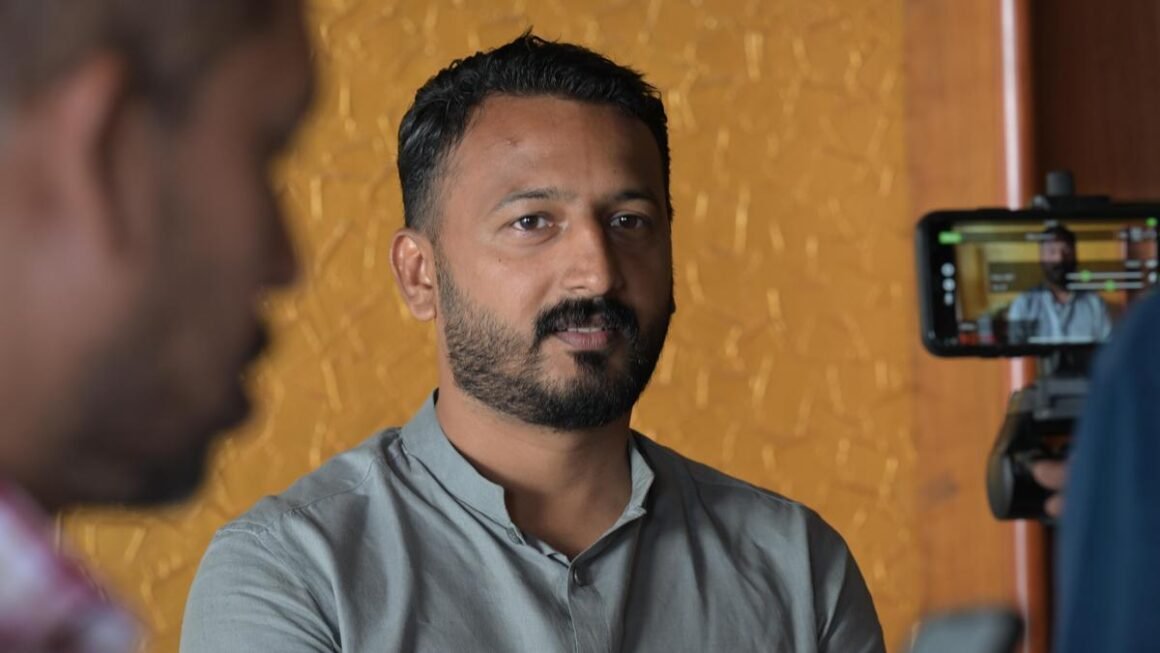
A Case That Has Shaken Kerala
In a dramatic development that has captured statewide attention, the Kerala High Court has restrained the police from arresting Congress MLA Rahul Mamkootathil until December 15 in a rape case filed by a woman who alleges prolonged sexual exploitation.
The court’s interim order has not only created legal ripples but has also ignited political battles, social media storms, and intense public debate. As the state waits for the next hearing, this high-profile case stands at the intersection of law, politics, gender justice, and public morality.
What Led to the Case: Allegations by the Complainant
The woman complainant approached the police with serious allegations against Rahul. She claims:
- She was sexually assaulted on multiple occasions.
- She was emotionally manipulated and misled.
- She was promised marriage and later abandoned.
- She suffered psychological trauma due to repeated exploitation.
The FIR was registered, and Kerala Police immediately began preliminary procedures, including issuing summons and initiating digital evidence collection.
Rahul Mamkootathil Responds: Politically Motivated or Genuine Complaint?
Rahul Mamkootathil has denied all the allegations, calling them politically motivated and part of a larger conspiracy to tarnish his public image. As one of the most promising young leaders of the Congress party in Kerala, Rahul’s stature has only added more intensity to the unfolding drama.
His legal team argued before the High Court that:
- The allegations are fabricated.
- There is no prima facie evidence to justify arrest.
- He has cooperated fully with the investigation.
- Immediate arrest would cause irreversible damage to his reputation.
Why the Kerala High Court Granted Interim Protection
The Kerala High Court, while acknowledging the seriousness of the allegations, took a balanced approach. The court noted that both parties must be fairly heard and that arrests should not be made solely based on accusations, especially in politically sensitive cases.
The interim protection ensures:
- Rahul cannot be arrested until December 15.
- He must cooperate with the investigation.
- The police must continue gathering evidence without interference.
This move reflects the judiciary’s attempt to protect both the rights of the accused and the integrity of the investigation.
Political Tremors Across Kerala
This case has caused political shockwaves. Rahul Mamkootathil is known as a vibrant youth leader in the Congress party, and these allegations put the party leadership in a difficult position.
Within the Congress:
- Some leaders insist on supporting Rahul until proven guilty.
- Others argue that stepping aside would uphold moral standards.
- Women leaders call for neutrality and fairness for the complainant.
Opposition Reactions:
- CPI(M) and LDF accuse Congress of protecting accused leaders.
- BJP demands a court-monitored probe and claims political shielding.
The case has become political ammunition, with each party using it to strengthen its narrative.
Social Media Divided: A Parallel Courtroom
The case has gone viral across social media platforms. Reactions range from strong support for the survivor to accusations of political conspiracy. Several hashtags related to the case have been trending, reflecting how quickly public opinion forms in high-profile allegations.
People online are divided:
- Supporters believe Rahul is being targeted.
- Activists highlight the importance of women’s safety.
- Political commentators see this as another example of Kerala’s polarized climate.
Inside the Legal Battle: What Both Sides Are Presenting
Rahul’s Legal Team Claims:
- The complaint lacks consistency.
- Digital evidence must be verified before drastic action.
- He is cooperating and therefore doesn’t require custodial interrogation.
The Prosecution Argues:
- There is enough evidence to justify further action.
- Digital records, messages, and witness statements support the complaint.
- Custodial interrogation might be needed to uncover more details.
The High Court’s interim order aims to strike a careful balance between these competing arguments.
Timeline: How the Case Reached the High Court
- The complainant filed a detailed FIR.
- Kerala Police issued summons for questioning.
- Rahul’s legal team sought anticipatory bail.
- The High Court reviewed initial evidence.
- Interim protection until December 15 was granted.
The case is now set for further hearing where more evidence will be examined.
The Woman Complainant’s Stand: Rights and Expectations
Women’s rights organisations in Kerala have expressed concern over the interim relief granted. They fear that political influence may interfere with the investigation if immediate action isn’t taken.
The complainant’s side insists:
- They have strong digital and documentary evidence.
- The case must progress quickly.
- Police must ensure the accused does not influence witnesses.
High-Profile Sexual Assault Cases: A Larger Pattern in Indian Politics
This case is not isolated. Several politicians across India have faced serious allegations in the past, with cases often becoming politically charged and legally complicated.
Recurring patterns include:
- Media trials
- Delays in judicial proceedings
- Public pressure affecting narrative
- Party-based support or opposition shaping discourse
Rahul’s case fits into this broader pattern of political cases overlapping with criminal allegations.
What Happens After December 15? The Most Crucial Date
December 15 will be a decisive day. Depending on the High Court’s decision:
- Rahul may be granted full anticipatory bail.
- Police may gain the green light for custodial interrogation.
- The court may ask for more evidence and schedule extended hearings.
This date could define Rahul’s political career and the direction of the case.
A Test for Kerala: Justice, Politics, and Public Trust
This case goes far beyond one politician. It represents a major test for:
- Kerala’s judicial system
- Police independence
- Political accountability
- Women’s rights and safety
The public is watching closely to see how fairly the justice system handles this sensitive and politically volatile case.
Conclusion: All Eyes on December 15
As Kerala waits for the next hearing, the case continues to stir conversations about consent, power dynamics, political rivalry, and judicial fairness. Whether this is a politically motivated conspiracy or a serious crime demanding justice, only the courts — not public speculation — can decide.
FOR MORE BLOGS – beyondthepunchlines.com

Author: Team BTP

 Add to favorites