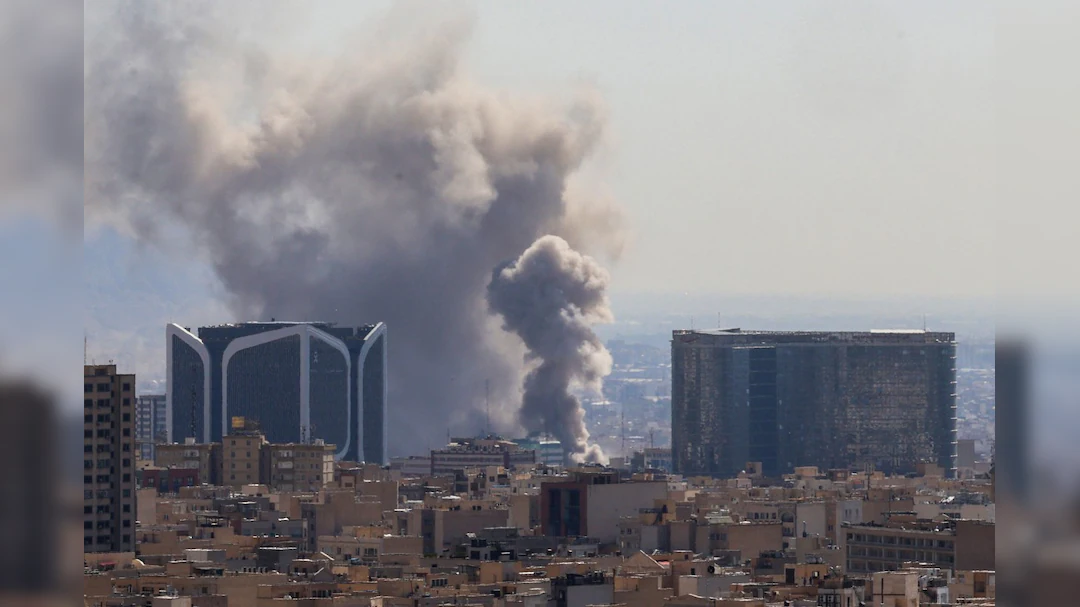
The release of Israel aerial footage Tehran bombing has dramatically intensified tensions in the Middle East. The visuals, shared by the Israel Defense Forces, allegedly show precision airstrikes targeting what Israel described as key installations linked to Iran’s ruling establishment in the heart of Tehran.
According to Israeli officials, the strikes were aimed at dismantling strategic command centers and weakening what they termed “Iran’s terror regime.” The aerial footage, captured through drones and advanced surveillance systems, displays explosions across specific zones in the Iranian capital. The video was circulated widely on official social media channels, signaling both military capability and a strong political message.
Strategic Messaging Behind the Footage
The decision to publicly release the Israel aerial footage Tehran bombing appears calculated. Military analysts suggest the move serves multiple purposes:
- Demonstrating operational reach deep inside Iran
- Signaling deterrence against future aggression
- Justifying military actions to the international community
- Applying psychological pressure on Tehran
This escalation comes amid heightened hostility between Israel and Iran, two long-standing regional rivals. The situation has grown increasingly volatile following recent cross-border confrontations and alleged targeted operations.
Regional and Global Implications
The Israel aerial footage Tehran bombing has raised fears of broader conflict across West Asia. Tehran has condemned the strikes, calling them violations of sovereignty and warning of retaliation. Iran’s military establishment, including the Islamic Revolutionary Guard Corps, has signaled that responses will be “decisive.”
Global powers are closely monitoring developments. The United States has reiterated its support for Israel’s right to defend itself while urging restraint to prevent full-scale war. Meanwhile, oil markets reacted nervously, reflecting concerns that prolonged conflict could disrupt critical energy routes such as the Strait of Hormuz.
A Dangerous Turning Point
The release of Israel aerial footage Tehran bombing marks a new phase in the confrontation between the two nations. Unlike covert operations of the past, this public display underscores a shift toward open signaling and strategic transparency. While Israel frames the strikes as necessary security measures, Iran views them as direct acts of aggression.
As tensions rise, diplomatic channels remain fragile. Whether this incident leads to further escalation or eventual de-escalation will depend largely on political decisions taken in the coming days.
FOR MORE BLOGS – beyondthepunchlines.com

Author: Team BTP

 Add to favorites