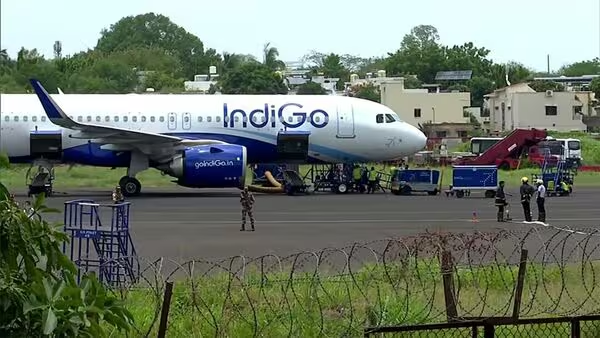
India’s largest airline by market share, faced one of its most severe operational crises on December 9, 2025, when it cancelled 58 flights at Hyderabad’s Rajiv Gandhi International Airport (RGIA), causing massive disruption for thousands of passengers. The cancellations included 14 arrivals and 44 departures, affecting major domestic routes including Delhi, Mumbai, Bengaluru, Chennai, Goa, Kolkata, Ahmedabad, Cochin, Lucknow, Visakhapatnam, Varanasi, Patna, Srinagar, Jodhpur, and Prayagraj.
This event was part of a broader nationwide problem, with over 4,500 flights cancelled across India since the beginning of December due to pilot fatigue, crew shortages, and operational management issues. Many passengers reported long queues at help desks, last-minute SMS cancellations, delayed refunds, and limited rebooking options, highlighting the challenges travellers face during peak season.
The Directorate General of Civil Aviation (DGCA) intervened by ordering a 5% cut in IndiGo’s flight slots to address the ongoing operational disruptions. The crisis has brought to light India’s over-reliance on IndiGo, which controls nearly 60% of the market, and sparked debates about whether airlines prioritise scheduling over pilot and passenger safety.
Aviation authorities held multiple meetings with IndiGo management to ensure stabilisation of operations, emphasising the need for better internal rostering systems and contingency planning. Industry experts warn that it may take weeks for IndiGo to fully recover, and passengers are advised to check flight statuses frequently, avoid tight connections, opt for early-morning flights, and maintain records of refunds and rebookings.
The situation has also raised concerns internationally, as global pilot associations highlighted risks linked to India’s rest rule exemptions. Analysts believe that this disruption serves as a wake-up call for India’s aviation sector, underlining the importance of operational reliability, safety standards, and regulatory compliance. As the airline works to restore normalcy, the coming weeks will determine whether this episode is a temporary setback or indicative of a systemic issue affecting not just IndiGo but the broader Indian airline industry.
Meanwhile, travellers and stakeholders continue to monitor developments closely, hoping for swift solutions and improved communication from the airline. Overall, the December 9 IndiGo flight cancellations at Hyderabad exemplify the complex challenges of managing a high-demand aviation network in India’s rapidly growing travel market, where operational efficiency, regulatory oversight, and passenger satisfaction must all align to prevent further crises.
The IndiGo flight cancellations at Hyderabad on December 9, 2025, stand as a stark reminder of the critical need for airlines to balance operational efficiency with safety and reliability.
While the airline strives to regain passenger confidence and normalize operations, this incident highlights the broader systemic challenges within India’s aviation industry, including workforce management, regulatory compliance, and contingency planning. Moving forward, the lessons learned from this disruption can guide airlines, regulators, and travelers alike toward a safer and more resilient aviation ecosystem, ensuring that similar crises are mitigated in the future.
FOR MORE BLOGS – beyondthepunchlines.com

Author: Team BTP

 Add to favorites