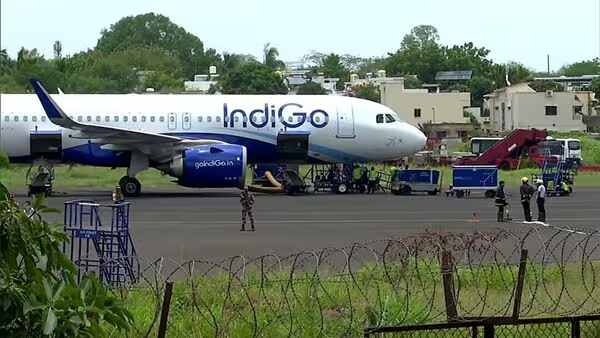
IndiGo flight bomb threat: How a bomb threat forced a dramatic mid-air diversion and kept passengers safe.
In a highly tense and alarming aviation incident, an IndiGo flight bomb threat travelling from Kuwait to Hyderabad was compelled to make an emergency landing in Mumbai after receiving a bomb threat mid-air. Flight number 6E‑1234, carrying 228 passengers and six crew members, became the focal point of intense scrutiny when authorities received an email warning of a potential explosive device onboard, reportedly described as a “human bomb.”
Immediately after receiving the threat, airline authorities and air traffic control implemented emergency protocols to ensure the safety of all onboard. The decision was made to divert the flight to Chhatrapati Shivaji Maharaj International Airport in Mumbai, instead of allowing it to proceed to its original destination, Hyderabad. This measure highlights the uncompromising priority given to passenger and crew safety in India’s aviation sector.
Upon landing in Mumbai, the aircraft was guided to an isolated bay where specialized security teams, including the Bomb Detection and Disposal Squad (BDDS), the Central Industrial Security Force (CISF), and airport police, conducted a thorough and meticulous inspection of the aircraft, baggage, and cargo.
The exhaustive search, which included screening every section of the plane, fortunately detected no suspicious device or explosive material. All passengers and crew were unharmed and safely disembarked under the supervision of security personnel.
Passengers recounted the anxiety experienced during the diversion, but many praised the professionalism and calm demeanor of the IndiGo cabin crew, who maintained constant communication, provided updates, and reassured everyone during the tense moments. Flight diversions due to security threats, while uncommon, underscore the unpredictable nature of air travel and the critical importance of having stringent safety measures in place.
Authorities have launched an in-depth investigation to trace the source of the threat and determine whether it was genuine or a hoax. The incident is part of a broader trend of bomb threats affecting flights and airports across India, necessitating swift, coordinated responses from airlines and security agencies. Such emergencies test not only preparedness but also the efficiency of emergency response protocols that have been developed over years of training and experience.
The diversion also created logistical challenges at Mumbai Airport, including temporary rerouting of other flights, increased security presence, and coordination among multiple agencies. This event has sparked discussions among aviation experts about the importance of real-time threat detection, passenger safety communication, and crisis management strategies.
This episode serves as a stark reminder that precautionary measures in aviation are non-negotiable. Airlines continually update security protocols, train personnel to handle emergencies, and coordinate closely with law enforcement to ensure passenger safety. Travelers are equally encouraged to remain vigilant, report any suspicious activities, and adhere strictly to instructions provided by cabin crew and security staff during emergency situations.
Although the incident concluded without harm, it has reignited conversations about the prevalence of threats, passenger preparedness, and the responsibility of authorities to act decisively. The swift and professional response by IndiGo and security forces ensured that a potential crisis was managed efficiently, reinforcing the importance of safety-first policies in aviation.
The entire episode not only demonstrates the critical role of trained crew and airport security teams but also highlights the growing challenges of ensuring safe air travel in an era where threats, whether real or hoaxes, can have far-reaching implications. Vigilance, preparedness, and coordinated emergency response remain key pillars of aviation safety, ensuring that passengers can continue to trust air travel as a safe mode of transportation.
FOR MORE BLOGS – beyondthepunchlines.com

Author: Team BTP

 Add to favorites