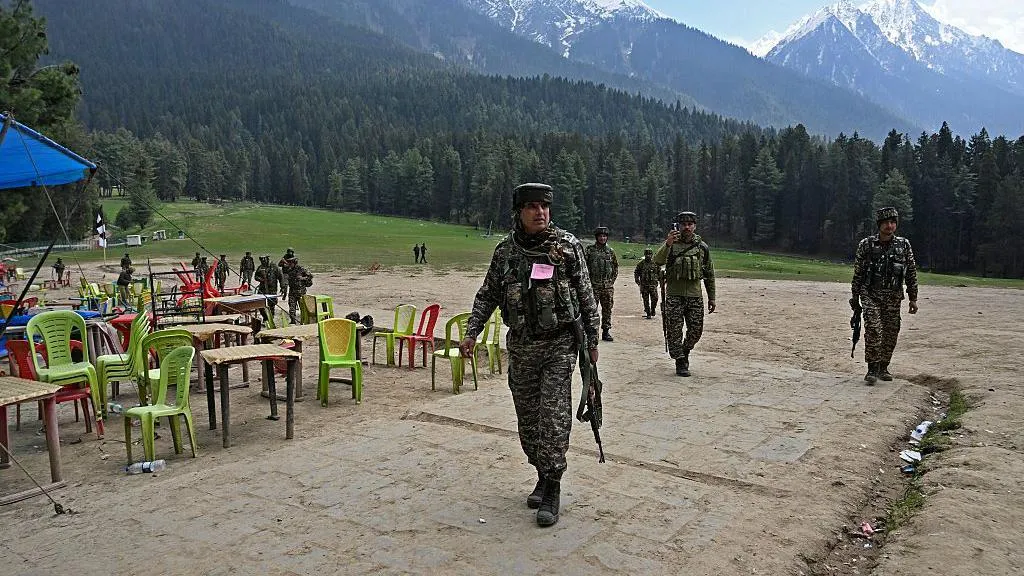
The National Investigation Agency (NIA) of India has filed a detailed chargesheet against Pakistan-based militant organizations, including Lashkar-e-Taiba (LeT) and The Resistance Front (TRF), in connection with the deadly April 22, 2025 Pahalgam attack in Jammu & Kashmir. The attack resulted in the deaths of 25 tourists and one local civilian, creating a nationwide shock. This marks a significant step in India’s ongoing counter-terrorism efforts and highlights the persistent threat posed by cross-border militancy.
The chargesheet, running over 1,500 pages, names six to seven individuals directly linked to the planning and execution of the attack. India has officially accused these groups of orchestrating the assault with support from Pakistan, highlighting the transnational nature of terrorism in the region.
The Pahalgam Attack
On April 22, 2025, militants attacked a group of tourists near Baisaran Meadows in Pahalgam, opening fire on civilians and causing mass casualties. The assailants specifically targeted tourists, escalating fears of terrorism in popular pilgrimage and tourist destinations. This incident prompted a swift and extensive investigation by Indian security agencies, leading to Operation Mahadev, a joint effort by the Indian Army, local police, and paramilitary forces to neutralize the attackers.
Chargesheet Details
The NIA’s chargesheet identifies the following key entities and individuals:
- Lashkar-e-Taiba (LeT): Pakistan-based terrorist organization, proscribed in India.
- The Resistance Front (TRF): Shadow proxy group linked to LeT, responsible for executing multiple attacks in Jammu & Kashmir.
- Sajid Jatt (alias Habibullah Malik / Saifullah): Pakistan-based handler who coordinated the attack.
- Three deceased terrorists: Faisal Jatt (alias Suleman Shah), Habeeb Tahir (alias Jibran), and Hamza Afghani, neutralized during Operation Mahadev.
- Local accomplices: Parvaiz Ahmad and Bashir Ahmad Jothar, arrested for aiding and harboring the attackers.
Charges have been filed under the Unlawful Activities (Prevention) Act (UAPA), the Arms Act 1959, and other statutes, including provisions related to waging war against India.
Evidence Linking Pakistan-Based Groups
Investigations revealed clear evidence connecting the attack to Pakistan-based entities. Digital communications, intercepted messages, and interrogation of arrested operatives indicated cross-border planning and operational support. India’s legal action asserts that LeT and TRF received guidance and direction from handlers across the border, highlighting the organized nature of the conspiracy.
Operation Mahadev
Following the attack, Operation Mahadev was launched to track down the perpetrators. On July 29, 2025, the three primary attackers were killed in the Dachigam region near Srinagar. Forensic evidence and field intelligence confirmed their identities and roles, forming the backbone of the NIA’s chargesheet.
Political and Legal Implications
The chargesheet represents a high-stakes legal and diplomatic move. By formally naming LeT and TRF as entities and highlighting Pakistan’s role, India aims to hold cross-border terror networks accountable under its judicial system. The case also underscores India’s broader security concerns regarding militancy in Jammu & Kashmir.
The filing is expected to strengthen India’s position in international forums on counter-terrorism while putting pressure on Pakistan to act against terror groups operating from its territory.
Conclusion: Pahalgam Attack
The NIA’s chargesheet in the Pahalgam terror attack case is a landmark step in India’s fight against terrorism. By naming Pakistan-based groups and their operatives, India has taken a robust legal and investigative approach to ensure accountability. As the judicial proceedings continue, the focus will remain on delivering justice to victims and deterring future acts of cross-border terrorism in the region.
FOR MORE BLOGS – beyondthepunchlines.com

Author: Team BTP

 Add to favorites