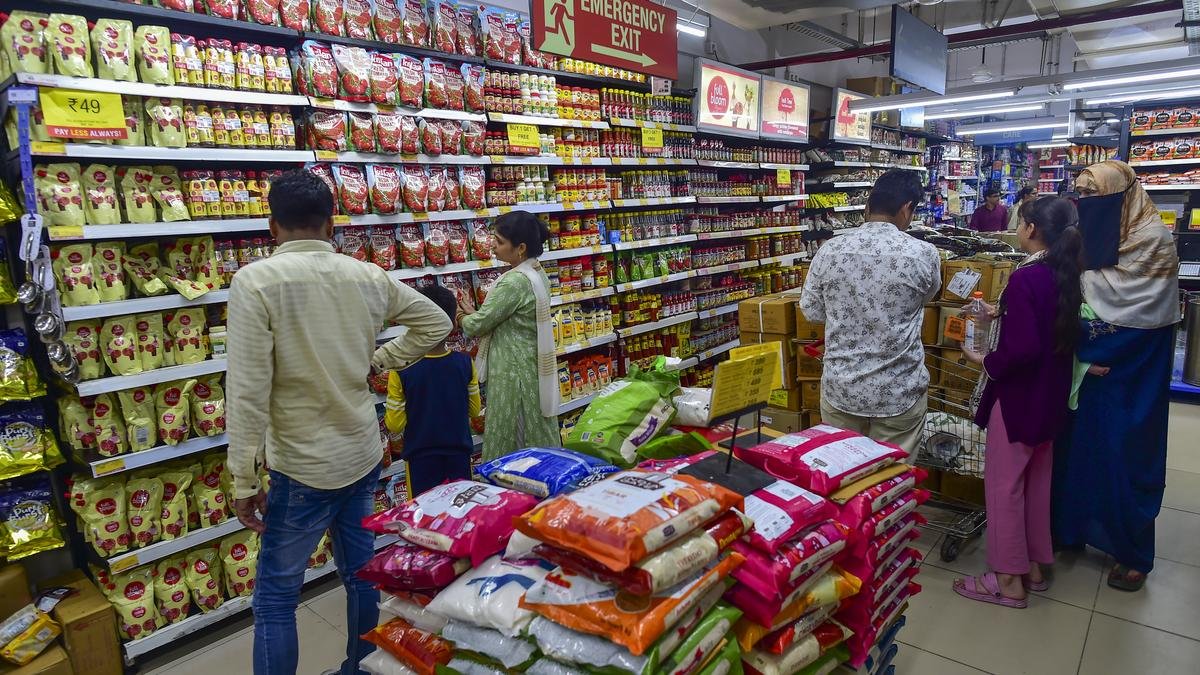

Punchline: A Diwali gift for India’s middle class — GST 2.0 slashes rates, putting more money back in your pocket.
India witnessed a landmark shift in its taxation system on September 22, 2025, as the much-anticipated GST 2.0 came into effect, rationalizing rates and providing relief to millions of households. From essentials like butter and ghee to bigger-ticket items such as cars and TVs, the new structure is set to bring significant savings for consumers, while reshaping the consumption story across the country. The reforms are being celebrated as one of the most significant tax changes since the original rollout of GST in 2017.
A Simpler, Leaner GST Structure
The GST Council, chaired by Finance Minister Nirmala Sitharaman, has restructured the tax slabs from the earlier 5%, 12%, 18%, and 28% into two primary rates—5% and 18%. A special 40% rate has been reserved for ultra-luxury and sin goods, including tobacco, pan masala, high-end cars, and sugary aerated drinks. Over 50 essential goods have been moved to the zero-tax bracket, offering much-needed respite to middle-class families and daily wage earners.
The move, according to the government, is designed to simplify compliance, reduce tax disputes, and bring transparency to the GST framework. By cutting down the complexity of multiple slabs, authorities expect not only easier administration but also improved taxpayer compliance across sectors.
What Gets Cheaper?
- Essentials: Dairy products like butter, paneer, and ghee, along with everyday items such as ketchup, jams, dry fruits, and ice creams, have seen tax reductions. Toiletries including shampoos, soaps, and shaving creams have dropped to 5% GST, making monthly household budgets lighter.
- Electronics: Consumer durables like televisions (above 32 inches), washing machines, dishwashers, refrigerators, and air conditioners now fall under the 18% slab, down from the earlier 28%. This is expected to give a big push to sales in the upcoming festive season.
- Automobiles: Smaller cars, two-wheelers below 350cc, and popular hatchbacks from brands like Maruti Suzuki and Hyundai are now cheaper by up to ₹1.2 lakh in some models. Auto industry experts predict a 15–20% surge in bookings in the next two months.
- Education and Health: Medicines, medical devices, life insurance, health insurance, and school stationery such as books and pencils have either moved to 5% or zero percent GST, reducing costs for families in essential sectors.
What Gets Costlier?
The GST rationalization does not spell cheer for all. Products considered harmful or luxurious will now pinch consumer pockets more:
- Tobacco, cigarettes, and pan masala now attract a 40% GST, a move aimed at discouraging unhealthy consumption.
- Large SUVs, premium motorcycles, and high-powered sedans remain under the higher tax rate, continuing the government’s push to restrict luxury spending.
- Sugary beverages and sweetened drinks also fall under the 40% slab, a health-driven step to address India’s growing obesity and diabetes concerns.
Impact on Consumers and Businesses
The reforms are expected to put more disposable income in the hands of households, particularly the middle class. Consumer sentiment is likely to get a festive boost, with Diwali season around the corner. Automakers, FMCG companies, and electronics manufacturers are already rolling out revised pricing and promotional offers to pass on the benefit to buyers.
Retailers, however, face an immediate challenge. Old stock with pre-reform pricing is still being sold at higher MRPs, creating confusion at retail counters. Many small shopkeepers are unsure whether to re-sticker products or wait for official instructions. Industry bodies have urged the government to issue guidelines to ensure customers are not overcharged during the transition period.
Experts suggest that while the reduction in prices will encourage consumption, businesses must also be prepared for short-term revenue adjustments. With luxury and sin goods taxed higher, companies in those categories may face a decline in demand.
A Festive Boost for India’s Economy
The government has pitched GST 2.0 as not just a taxation reform but as an economic catalyst. By reducing rates on essential and mass-consumption goods, it hopes to stimulate demand, enhance compliance, and reduce inflationary pressures. Economists estimate that the reforms could add 0.5% to India’s GDP growth in the coming fiscal, especially if combined with strong festival season sales.
Moreover, the move is politically significant. Coming just months ahead of key state elections, GST 2.0 is being seen as a populist but pragmatic step by the government to consolidate goodwill among middle-class voters.
As Finance Minister Sitharaman put it during the announcement, “This is a Diwali gift for the common Indian household, ensuring ease of living while maintaining fiscal discipline.” The true impact, however, will be visible in the months ahead as markets, manufacturers, and consumers adjust to the new regime. For now, GST 2.0 has sparked optimism that the festive season will be brighter, both in households and in the broader Indian economy.
FOR MORE BLOGS – beyondthepunchlines.com

Author: Team BTP

 Add to favorites