When the RBI repo rate cut eased the brakes, India’s markets hit the accelerator
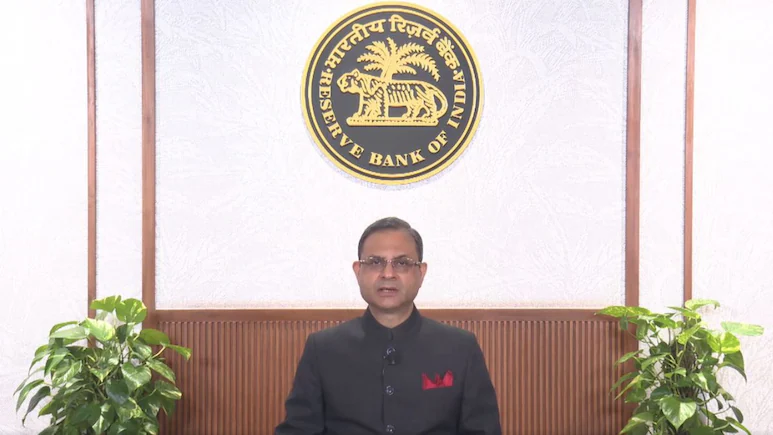
India’s financial markets opened with a surge of optimism on December 5, 2025, as the Reserve Bank of India (RBI) announced a 25 basis point cut in the repo rate, bringing it down to 5.25%. This highly anticipated monetary easing comes at a time when retail inflation remains subdued, and overall economic indicators offer a stable outlook. The rate cut marks a strategic move by the central bank to stimulate borrowing, revive consumer sentiment, and foster economic momentum.
The announcement was not just a routine policy adjustment — it signaled confidence in the economy’s near-term trajectory. Immediately after the policy update, investor sentiment improved sharply, with rate‑sensitive sectors like financials, automobiles, and real estate taking the lead in lifting benchmark indices.
RBI’s Policy Move: Why It Matters
The central bank’s decision came amid favorable macroeconomic conditions. Retail inflation hovered near multi‑year lows, giving the RBI considerable room to ease borrowing costs. The central bank also highlighted supportive global cues, improved supply chains, and stable crude oil prices — all of which contribute to a benign inflationary environment.
Beyond the rate cut, the RBI announced additional liquidity‑enhancing measures aimed at strengthening the banking system. These steps assure businesses and consumers that credit availability is set to improve in the coming quarters.
Market Reaction: Indices Move Up
Indian stock markets reacted swiftly and positively. Both the Nifty 50 and BSE Sensex gained around 0.25%, reflecting broad‑based enthusiasm across key sectors. Banking and NBFC stocks rose up to 2%, while auto stocks recorded some of the strongest intraday gains, supported by expectations of improved financing demand.
Mid‑cap and small‑cap indices also posted gains, suggesting confidence among retail investors. Realty stocks saw renewed traction, as analysts predict that lower interest rates will revive India’s housing market — a sector which has already shown signs of recovery in urban and semi‑urban regions.
Why Financials and Autos Outperformed
Rate cuts traditionally benefit sectors dependent on credit expansion. This policy shift immediately strengthened the outlook for banks, NBFCs, auto manufacturers, and real estate developers.
Lower Funding Costs for Lenders
Banks and NBFCs are expected to see improvements in their net interest margins (NIMs). With cheaper access to funds, lenders can deploy credit more competitively, boosting loan growth across retail, MSME, and corporate categories.
Auto Sales Likely to Pick Up
Lower interest rates typically translate into more attractive EMIs for car and two‑wheeler buyers. This can significantly influence India’s price‑sensitive auto market, especially ahead of the year‑end and new‑year purchase cycles.
Housing and Consumer Demand Revival
The real estate industry, burdened by high interest‑rate cycles, is now poised for renewed traction. Affordable housing, home loans, and consumer durable financing may see higher demand in the coming quarters.
Investor Confidence Strengthened
The RBI’s positive tone on inflation and liquidity reassured investors that India remains on a stable growth path. Markets reacted by increasing exposure to high‑beta, rate‑sensitive stocks.
Broader Economic Implications: RBI repo rate cut
The repo rate cut may contribute to a virtuous cycle of higher credit demand, revived consumption, and improved investment sentiment. With inflation comfortably under control, policymakers can focus on supporting growth.
However, analysts caution that global uncertainties — including oil price volatility, geopolitical tensions, and currency fluctuations — will remain key factors to watch. Despite this, India’s domestic fundamentals appear strong, with several sectors poised for expansion.
What Investors Should Watch Next: RBI repo rate cut
- Loan growth trends across major banks and NBFCs
- Auto sales data in upcoming months
- Real estate booking numbers, especially in metro cities
- Global interest rate movements and foreign investor flows
- Corporate earnings for the next two quarters
For long‑term investors, the rate‑cut cycle may present buying opportunities in well‑capitalized banks, leading NBFCs, and auto manufacturers with strong product pipelines.
Conclusion: RBI repo rate cut
The RBI’s repo rate cut has given the Indian market a strong upward push, positioning financials and auto stocks as early winners. As borrowing costs fall and liquidity improves, rate‑sensitive sectors are expected to gain further momentum. The coming months will reveal how effectively the policy measures translate into economic activity, but for now, the market mood is firmly optimistic and forward‑looking.
FOR MORE BLOGS – beyondthepunchlines.com

Author: Team BTP

 Add to favorites