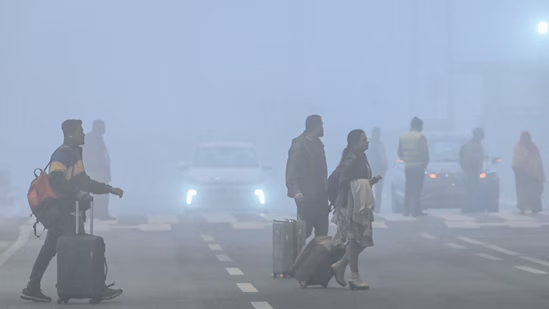
As the year turned, Delhi fog grounded aircraft and stranded thousands of hopeful New Year travellers.
New Year celebrations began on a chaotic note for air passengers in the national capital after dense fog blanketed Delhi and the surrounding NCR region, leading to massive disruptions at Indira Gandhi International (IGI) Airport. On December 31, at least 150 flights were cancelled while over 250 others were delayed, throwing carefully planned New Year travel schedules into disarray.
What Caused the Flight Disruptions?
According to aviation officials and weather agencies, poor visibility due to dense fog was the primary reason behind the cancellations and delays. Visibility levels dropped sharply during the early morning hours, making it unsafe for aircraft to take off or land. The India Meteorological Department (IMD) had already issued a yellow alert, warning of moderate to dense fog conditions across North India.
Winter fog in Delhi is often intensified by low wind speed, high humidity, and pollution, creating a thick layer of smog-like fog that severely impacts aviation operations. Despite advanced landing systems at IGI Airport, extreme visibility reduction forced airlines to suspend or reschedule flights for safety reasons.
Scale of the Disruption at IGI Airport
Airport sources confirmed that both domestic and international flights were affected. While some flights were outright cancelled, many others faced delays ranging from one to several hours. Passengers were seen waiting inside terminals for long periods, frequently refreshing airline apps for updates.
Airlines including IndiGo, Air India, and SpiceJet issued travel advisories requesting passengers to check real-time flight status before heading to the airport, as weather conditions continued to change through the day.
Impact on New Year Travellers
The fog-related disruption came at the worst possible time, with thousands travelling for New Year celebrations, family reunions, and holiday vacations. Many passengers missed connecting flights, hotel bookings, and planned events. Social media platforms were flooded with posts from stranded travellers sharing images of overcrowded terminals and long queues at help desks.
The ripple effect was not limited to air travel alone. Train services and road traffic across Delhi-NCR were also affected due to low visibility, further adding to commuter woes on one of the busiest travel days of the year.
How Airlines and Authorities Responded
Airport authorities coordinated with airlines to manage passenger flow and ensure safety. While airlines attempted to accommodate affected travellers through rebookings and refunds, the sheer scale of disruption made delays unavoidable. Aviation experts reiterated that flight safety cannot be compromised, even during peak travel seasons.
The IMD has cautioned that foggy conditions may persist over the next few days, advising travellers to remain alert and plan journeys accordingly.
Delhi fog flight cancellations: What Passengers Should Do
Travellers planning to fly during winter fog conditions are advised to:
- Monitor airline alerts and flight status updates
- Reach the airport well in advance
- Keep alternative travel plans ready
- Stay informed about weather forecasts
Delhi fog flight cancellations: Conclusion
The Delhi fog flight cancellations of 150 flights and delays of over 250 others due to fog have once again highlighted how Delhi’s winter weather continues to challenge air travel infrastructure. As air traffic increases every year, experts stress the need for better coordination, passenger communication, and long-term planning to minimise disruption during peak fog season.
For now, travellers heading out during winter mornings are urged to stay patient and prioritise safety over schedules.
FOR MORE BLOGS – beyondthepunchlines.com

Author: Team BTP

 Add to favorites


