Delhi Air Pollution Crisis: When the capital cannot breathe, governance itself feels suffocated.
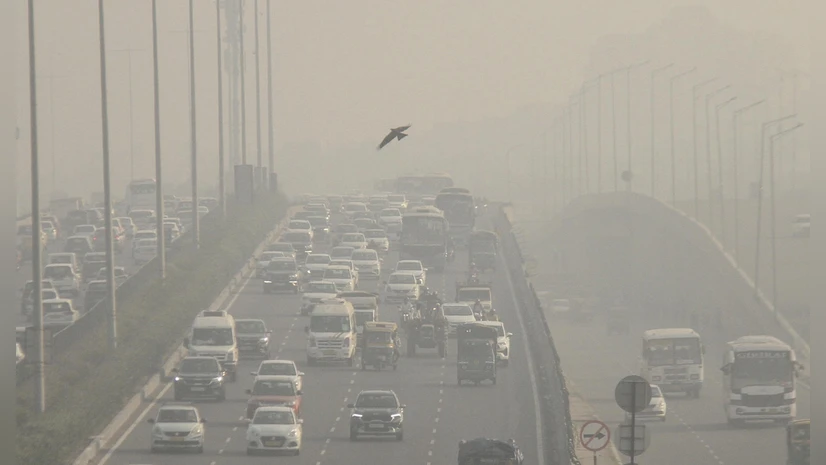
Delhi once again woke up under a blanket of toxic smog as air quality across the national capital continued to remain in the ‘very poor’ category, with four areas slipping into the ‘severe’ zone. Narela emerged as the worst‑affected locality, recording an AQI above 418, raising serious health concerns for residents and reigniting debates around long‑term pollution control failures.
According to data from the Central Pollution Control Board (CPCB), Delhi’s average AQI hovered in the 360–380 range, a level considered hazardous for all age groups. Despite marginal day‑to‑day fluctuations, experts warn that the pollution load remains dangerously high, with no immediate relief in sight.
Narela Turns Pollution Hotspot
Among all monitoring stations, Narela in North Delhi recorded the highest AQI, crossing the ‘severe’ threshold of 400. Other pockets, including parts of East and Central Delhi, also briefly touched or remained close to severe levels. Residents reported eye irritation, breathlessness, and persistent cough — symptoms commonly associated with prolonged exposure to high PM2.5 concentrations.
Health experts caution that AQI levels above 400 significantly increase the risk of respiratory distress, cardiac complications, and long‑term lung damage, particularly among children, senior citizens, and people with pre‑existing conditions.
Why Delhi’s Air Is Failing Again
The current Delhi Air Pollution Crisis spike is not the result of a single factor but a combination of seasonal and structural issues:
- Low wind speed and stagnant weather preventing dispersion of pollutants
- Vehicular emissions, especially during peak traffic hours
- Construction and road dust, despite existing bans
- Stubble burning impact from neighbouring states adding to the pollution load
- Firecrackers and local combustion sources in residential areas
Meteorologists note that temperature inversion during winter traps pollutants close to the ground, turning Delhi into a gas chamber overnight.
Government Measures and Ground Reality
Authorities have activated Stage‑II and Stage‑III measures under the Graded Response Action Plan (GRAP) in phases. These include:
- Restrictions on construction and demolition activities
- Increased deployment of mechanical road sweepers
- Advisory against outdoor activities in schools
- Appeal to reduce private vehicle usage
However, critics argue that these steps remain reactive rather than preventive. Despite annual action plans, Delhi continues to face the same crisis every winter, pointing to gaps in implementation and inter‑state coordination.
Health Advisory for Residents
With Delhi Air Pollution Crisis levels staying in the dangerous zone, doctors recommend:
- Avoiding outdoor exercise, especially during early morning and late evening
- Using N95 or PM2.5 masks when stepping outside
- Keeping windows closed during peak pollution hours
- Using air purifiers indoors, particularly for children and elderly
- Seeking medical attention if symptoms worsen
Hospitals across Delhi have reported a noticeable rise in respiratory complaints, indicating that the public health impact is already unfolding.
A Delhi Air Pollution Crisis Beyond Numbers
Delhi’s air pollution crisis is no longer just an environmental issue — it is a governance, health, and accountability challenge. Each spike in AQI raises uncomfortable questions: Why do emergency measures replace long‑term planning every year? Why does the capital still lack a sustainable, enforceable solution?
As Narela and other pockets slip into the severe zone, the message is clear — temporary fixes cannot clean permanent neglect. Until pollution control becomes a year‑round priority rather than a seasonal firefight, Delhi’s residents will continue to pay the price with every breath they take.
FOR MORE BLOGS – beyondthepunchlines.com

Author: Team BTP

 Add to favorites