The Election Commission of India (ECI) has published the draft electoral rolls for West Bengal under the Special Intensive Revision (SIR), triggering widespread political debate and public concern after more than 58 lakh names were found missing from the updated voter list. The large-scale deletion has come at a politically sensitive time, with the state preparing for the 2026 Assembly elections, making the accuracy and fairness of the electoral rolls a matter of intense scrutiny.
According to the ECI, the deletions are part of a routine but exhaustive clean-up exercise aimed at ensuring free and fair elections by removing ineligible, duplicate, or outdated entries. However, opposition parties and civil society groups have raised alarm over the sheer scale of the removals, warning that eligible voters may be inadvertently disenfranchised.
What Is the Special Intensive Revision (SIR)?
The Special Intensive Revision is a comprehensive door-to-door verification exercise conducted periodically by the Election Commission to update electoral rolls. It involves physical verification of voters, cross-checking addresses, and identifying discrepancies such as duplicate entries, deceased voters, and individuals who have shifted residences.
Unlike routine annual revisions, SIR is more detailed and is usually undertaken ahead of major elections. In West Bengal, the exercise was carried out to ensure the voter database reflects current demographic realities and migration patterns.
Scale of Deletions Explained: Bengal Draft Electoral Rolls
The draft rolls published by the ECI indicate that over 58 lakh names have been deleted compared to the previous electoral list. Officials have clarified that the removals fall under several categories, including deceased voters, individuals who could not be traced at their registered addresses, voters who have permanently relocated, and duplicate or erroneous entries.
Election officials stated that a significant number of deletions were linked to uncollected or unverified enumeration forms, which are mandatory for inclusion during the revision process. The Commission maintains that the process followed established legal and procedural safeguards.
Political Reactions and Allegations: Bengal Draft Electoral Rolls
The mass deletion has sparked sharp reactions from political parties across the spectrum. Opposition leaders have accused the Centre and the Election Commission of undermining democratic participation, alleging that the SIR process disproportionately affects migrant workers, minority communities, and economically weaker sections.
The ruling establishment, however, has defended the exercise, arguing that electoral integrity depends on clean and updated voter lists. They have emphasized that the draft nature of the rolls allows ample opportunity for corrections before finalization.
What Deleted Voters Can Do: Bengal Draft Electoral Rolls
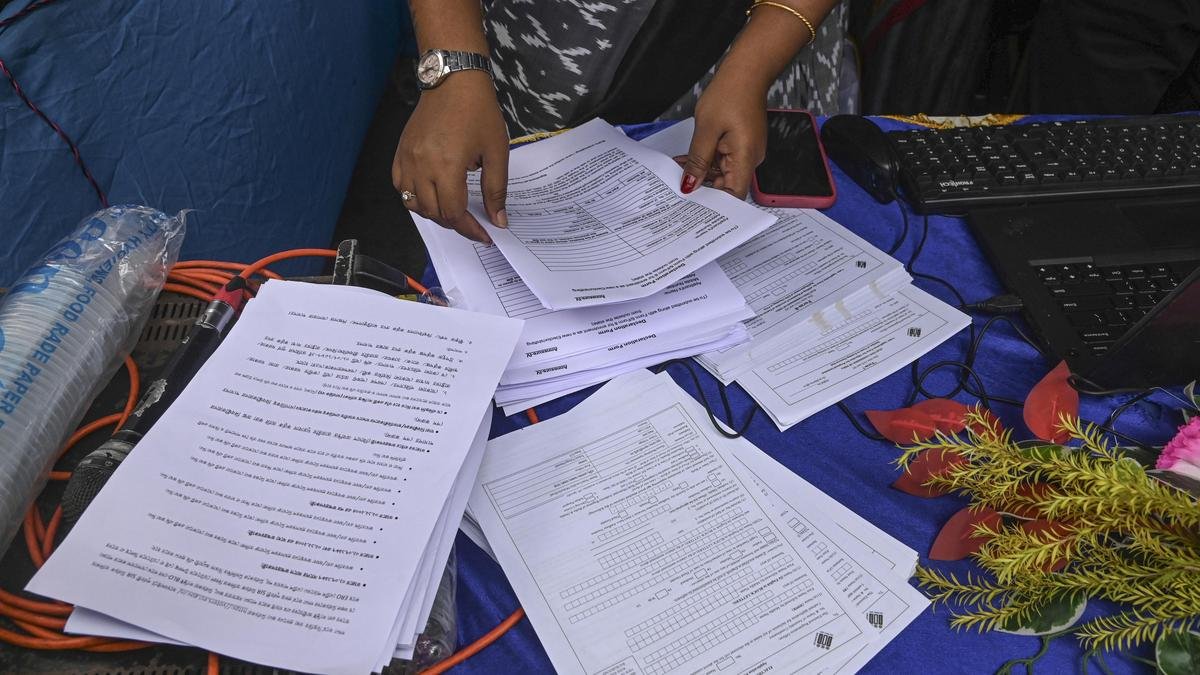
The Election Commission has stressed that deletion from the Bengal Draft Electoral Rolls is not final. Voters whose names are missing have been given a claims and objections window to seek restoration. Citizens can file the necessary forms along with their identity and residence proof to re-enter the voter list.
The claims period is expected to remain open for several weeks, during which verification hearings will be conducted at the local level. The final electoral roll will only be published after all valid claims are examined.
Impact on the 2026 West Bengal Draft Electoral Rolls
With the 2026 Assembly elections on the horizon, the updated voter rolls will play a critical role in shaping the electoral landscape. Any perception of unfair deletions could erode public trust in the electoral process and intensify political polarization.
Election observers note that while voter list purification is essential, transparency and effective communication are equally important to prevent confusion and unrest among voters.
Conclusion: Bengal Draft Electoral Rolls
The publication of West Bengal Draft Electoral Rolls under the Special Intensive Revision marks a crucial phase in the state’s electoral preparation. While the Election Commission maintains that the deletion of over 58 lakh names is part of a lawful and necessary clean-up, the scale of the exercise has raised valid concerns.
As the claims and objections process unfolds, the focus will remain on ensuring that no eligible voter is denied their democratic right. The credibility of the electoral process now hinges on how effectively the ECI addresses grievances and restores confidence ahead of the 2026 polls.
FOR MORE BLOGS – beyondthepunchlines.com

Author: Team BTP

 Add to favorites