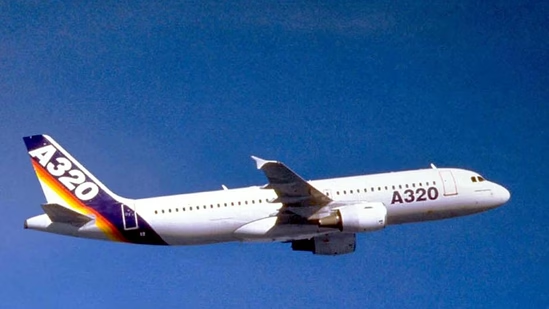
On 29 November 2025, Indian airlines were forced to scramble after a critical software glitch was identified in the Airbus A320 fleet. The problem, which could affect up to 400 aircraft in India, stems from the potential corruption of flight-control data caused by intense solar radiation, prompting Airbus to issue an urgent directive to operators globally.
The affected planes are primarily part of the A320 family, including A319, A320, and A321 models, both CEO and NEO variants. The software glitch impacts the Elevator Aileron Computer (ELAC), which is responsible for controlling the elevators and ailerons, crucial components for safe manoeuvring. Left uncorrected, this malfunction could lead to unintended aircraft movements, potentially exceeding structural limits and risking flight safety.
In India, major carriers like IndiGo, Air India, and Air India Express operate a significant number of these jets, making the glitch a pressing concern. The Directorate General of Civil Aviation (DGCA) confirmed that approximately 338 A320-family aircraft in India require immediate updates or modifications before they can safely fly. Airlines have begun updating affected aircraft, but passengers are being warned of potential delays and rescheduled flights.
Impact on Passengers: Airbus A320 Glitch
While no widespread cancellations have occurred yet, many flights have experienced delays ranging from 60 to 90 minutes. Airlines are urging travelers to check flight status regularly, plan for extra waiting time, and stay updated with announcements from the DGCA and airlines.
The disruptions are expected to continue until all affected aircraft receive the required updates. Many passengers reported increased anxiety due to the uncertainty of flight schedules, highlighting the broader impact on travel plans and domestic connectivity.
Why Airbus Issued the Directive: Airbus A320 Glitch
Airbus has emphasised that this precautionary measure is necessary to maintain safety. The decision follows analysis after a recent foreign A320 incident involving sudden, uncommanded elevator movement that forced an emergency landing. This software update is intended to prevent similar malfunctions caused by environmental factors such as solar radiation, ensuring that aircraft can operate safely.
The company is also advising airlines to temporarily adjust flight operations to reduce exposure to high-intensity solar radiation areas until updates are completed.
Operational Challenges for Airlines
Airlines are navigating a complex logistical challenge, balancing the need to update software on numerous aircraft while minimising disruption to flight schedules. Maintenance crews are working round-the-clock to implement the patches, and flight dispatchers are re-routing flights to ensure that operational safety standards are met.
The glitch has also prompted internal audits across airline fleets to confirm compliance with Airbus recommendations and DGCA directives. This large-scale software rollout is one of the most significant in recent Indian aviation history and underscores the dependence of airlines on timely technological interventions.
What Passengers Should Do: Airbus A320 Glitch
- Check flight status regularly for updates.
- Allow extra time for potential delays.
- Stay informed through airline communications and DGCA notices.
- Be prepared for minor rescheduling or last-minute changes.
- Keep travel essentials handy, including identification documents, medicines, and personal items, in case of extended waiting times.
Bigger Picture: What This Means for Indian Aviation
This incident highlights how even state-of-the-art aircraft can be affected by environmental and technical factors. It reveals structural vulnerabilities in global civil aviation and the importance of timely software updates. Regulators, airlines, and manufacturers will likely reassess design safeguards, maintenance regimes, and incident-response strategies to ensure passenger safety.
This glitch serves as a reminder that aviation safety is non-negotiable and that proactive measures, even if temporarily inconvenient, are essential to prevent potential disasters.
The Airbus A320 Glitch software issue is a wake-up call for both airlines and passengers about the complexities of modern air travel, demonstrating the critical role of technology, continuous monitoring, and strict regulatory oversight in maintaining a safe and reliable aviation network.
FOR MORE BLOGS – beyondthepunchlines.com

Author: Team BTP

 Add to favorites