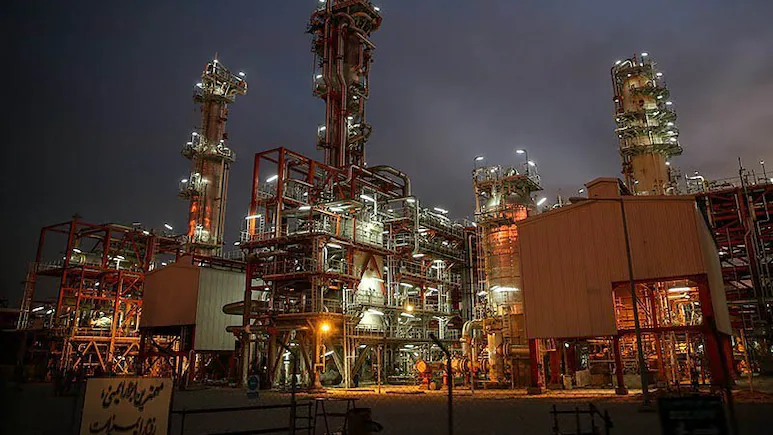
The South Pars gas field stands as one of the most critical energy assets in the world today. Located in the Persian Gulf and shared between Iran and Qatar, it forms part of the largest natural gas reserve on Earth. Its immense size and production capacity make it a cornerstone of global energy supply, influencing everything from electricity generation to industrial growth and international gas prices.
As the world increasingly relies on cleaner fuels, the importance of the South Pars gas field has grown significantly. It not only powers Iran’s domestic economy but also plays a key role in maintaining global energy stability.
What is the South Pars Gas Field?
The South Pars gas field is the Iranian section of the larger South Pars–North Dome gas reservoir. This massive field contains an estimated 1,800 trillion cubic feet of natural gas, making it the largest known gas reserve in the world.
- Iran controls the South Pars section
- Qatar controls the North Field
- Together, they dominate global natural gas reserves
This shared resource has turned both countries into major players in the global energy market.
Why the South Pars Gas Field is So Important
1. Backbone of Iran’s Energy Sector
The South Pars gas field is the primary source of natural gas for Iran.
- Supplies nearly 70–80% of Iran’s gas needs
- Powers electricity generation across the country
- Supports key industries like steel, cement, and petrochemicals
Without South Pars, Iran would struggle to meet its domestic energy demands.
2. Major Contributor to Global Gas Supply
Although much of Iran’s gas is consumed domestically, the South Pars gas field still plays a vital role in the global energy ecosystem.
- Influences global natural gas supply
- Impacts international gas pricing
- Supports regional energy trade
Its sheer size ensures that it remains a critical component of global energy calculations.
3. Link to LNG and Global Markets
The South Pars field is directly connected to Qatar’s North Field, which feeds the world’s largest LNG export hub. This connection makes it indirectly responsible for a significant portion of global LNG supply.
- Supports LNG exports from Qatar
- Helps meet energy demand in Asia and Europe
- Strengthens global energy security
Geopolitical Significance of South Pars Gas Field
The South Pars gas field is not just an economic asset—it is a geopolitical powerhouse. Located in the Persian Gulf, it sits near critical shipping routes that handle a large portion of the world’s energy trade.
Key Geopolitical Factors
- Proximity to the Strait of Hormuz
- Vulnerability to regional conflicts
- Strategic importance in global diplomacy
Control and stability of the South Pars gas field can influence international relations and energy policies.
Impact on Global Energy Prices
The South Pars gas field plays a direct role in determining global gas prices.
How It Affects Markets
- Supply disruptions can cause price spikes
- Stable production helps maintain price balance
- Increased output can lower global energy costs
Energy markets closely monitor developments in South Pars because of its potential to affect global pricing.
Challenges Facing South Pars Gas Field
Despite its importance, the South Pars gas field faces several challenges:
- Geopolitical tensions in the Middle East
- Sanctions affecting Iran’s energy sector
- Aging infrastructure in some phases
- Technical and investment constraints
These challenges can limit production and affect global supply chains.
Future Outlook
The future of the South Pars gas field remains highly significant as global energy demand continues to grow.
Future Trends
- Increased investment in gas extraction
- Expansion of production capacity
- Rising global demand for cleaner fuels
- Greater role in energy transition strategies
Natural gas is often considered a “bridge fuel” in the transition to renewable energy, further enhancing the importance of South Pars.
Why It Matters for the World
The South Pars gas field is not just important for Iran or the Middle East—it matters globally.
- Supports energy needs of developing economies
- Helps stabilize global energy markets
- Enables cleaner alternatives to coal
- Impacts inflation and economic growth worldwide
Countries like India rely on stable global gas markets, making South Pars indirectly crucial for their energy security.
Conclusion
The South Pars gas field is truly the backbone of global energy. Its vast reserves, strategic location, and influence on supply and pricing make it one of the most important energy assets in the world.
As energy demand continues to rise and geopolitical tensions persist, the role of the South Pars gas field will only become more critical. Ensuring its stability is not just a regional priority—it is a global necessity.
FOR MORE BLOGS – beyondthepunchlines.com

Author: Team BTP

 Add to favorites