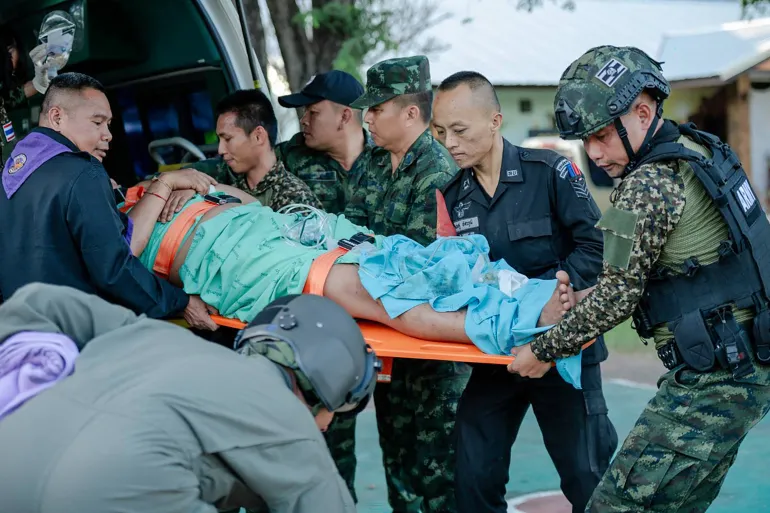
A Sudden Escalation on December 5, 2025: Thailand Launches Air Raid
On December 5, 2025, tensions along the Thailand–Cambodia border erupted into one of the most serious military escalations in recent years. Deadly exchanges between troops stationed near disputed zones pushed Thailand to launch air raids inside Cambodian territory. The move shocked regional observers, raising fears that the long-standing border dispute may spiral into a wider conflict if diplomacy fails.
How the Clashes Started: Thailand Launches Air Raid
According to early reports, the confrontation began when patrol units from both countries encountered each other in a contested forest area near the ancient Preah Vihear temple region. The situation turned violent after both sides accused each other of crossing the boundary and firing first. Within hours, artillery shells were traded, forcing Thailand to respond with aerial strikes aimed at what it described as “active hostile threats.”
Cambodia countered the narrative, alleging that Thai forces initiated the provocation and expanded the conflict by sending fighter jets across the border. The Cambodian military condemned the air assaults, calling them a violation of international law and demanding urgent intervention from ASEAN.
Air Raids: What We Know So Far
Eyewitnesses from Cambodian border villages reported multiple explosions, damaged homes, and military structures hit by Thai airpower. Thailand’s launch of air raids were defensive and limited, claiming they targeted only Cambodian military installations responsible for firing first. However, Cambodia insists civilian areas were affected, though casualty numbers remain unclear.
Military analysts note that the use of air strikes marks a significant escalation. Previous border skirmishes between the two nations rarely involved aerial intervention, making this a turning point that could reshape regional security dynamics.
Political Reactions from Both Capitals: Thailand Launches Air Raid
Thailand’s Position
The Thai government defended the air raids in a late-night press briefing, stating the country had “no choice” but to protect its sovereignty and troops. Nationalist sentiment surged online, with several groups urging the government to maintain a strong posture.
Cambodia’s Anger and Diplomatic Push
Cambodia, meanwhile, has condemned the raids at the United Nations and called for an emergency ASEAN summit. Prime Minister Hun Manet described Thailand’s actions as “aggressive and unacceptable,” vowing that Cambodia would respond diplomatically but firmly.
Impact on Border Communities
Thousands of residents living along the border have reportedly fled to temporary shelters. The sound of artillery fire and air raids caused widespread panic, and humanitarian agencies warn that food, water, and medical supplies may soon fall short.
Local authorities on both sides are working with relief organizations to assist displaced families. Human rights groups have urged both governments to prioritize civilian protection and avoid escalating the conflict any further.
Regional and Global Concerns
ASEAN nations, already uneasy about deteriorating regional stability, issued statements urging restraint. Geopolitical experts warn that prolonged conflict could disrupt trade routes, damage cross-border economic zones, and weaken investor confidence in Southeast Asia.
The international community, including the United States and China, has also expressed concern and encouraged both nations to open diplomatic channels immediately.
What Happens Next?
Despite the hostilities, diplomatic backchannels are reportedly active. However, analysts caution that miscommunication or domestic political pressure in either country could cause the conflict to flare up again.
ASEAN is expected to propose a joint observer mission, but its success depends on both nations agreeing to ceasefire terms and limiting troop buildup around disputed regions.
Conclusion: Thailand Launches Air Raid
The Thailand Launches Air Raid on December 5, 2025, have reignited fears of a broader conflict between Thailand and Cambodia. With lives disrupted, infrastructure damaged, and political temperatures rising, the world now watches to see whether diplomacy can pull the region back from the brink.
The coming days will be critical for ensuring peace, stability, and the safety of millions living along the volatile border.
FOR MORE BLOGS – beyondthepunchlines.com

Author: Team BTP

 Add to favorites