Typhoon Kalmaegi leaves a trail of death and destruction across the Philippines, forcing a nationwide state of emergency.
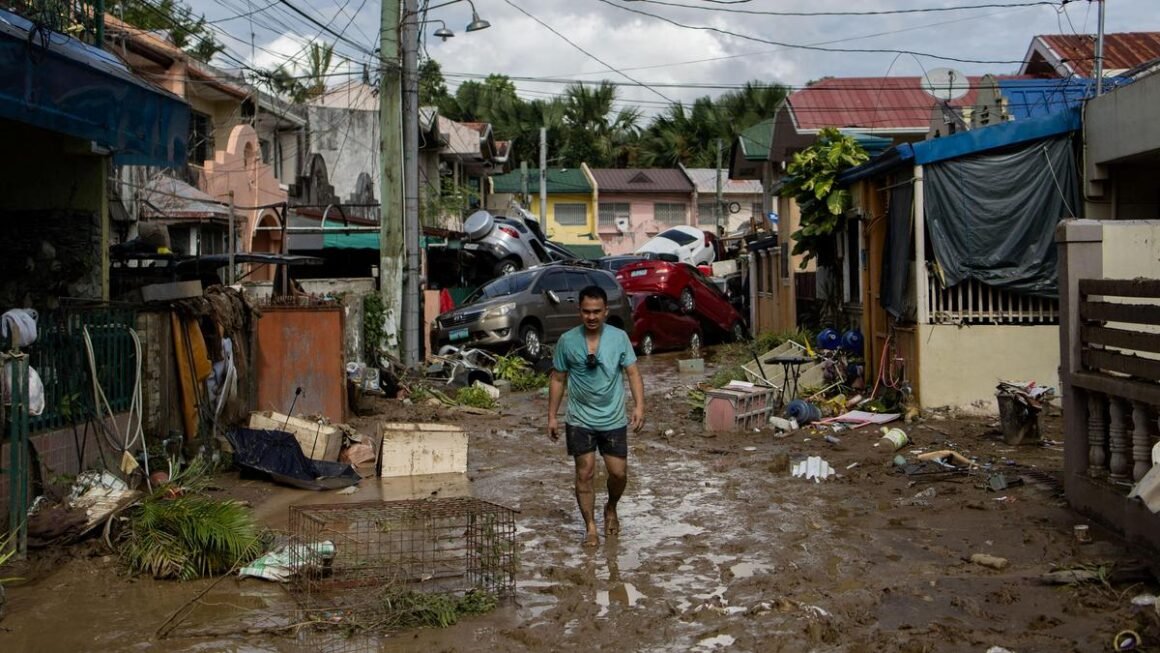
On November 5, 2025, the Philippines was struck by one of its deadliest natural disasters of the year as Typhoon Kalmaegi wreaked havoc across the nation. With at least 114 confirmed deaths and 127 missing, some reports combining these figures estimate a staggering 241 people dead or missing. The typhoon, after battering central provinces like Cebu in the Visayas, has moved into the South China Sea and is now headed toward Vietnam, raising concerns of further destruction in Southeast Asia.
The Scale of Destruction: Typhoon Kalmaegi
Kalmaegi caused widespread flooding, uprooted trees, destroyed homes, and severely damaged roads, bridges, and other critical infrastructure. In Cebu, rivers overflowed, and major roads became impassable, leaving thousands stranded without access to food, water, or medical aid.
Many local communities are still trying to recover from previous natural disasters, making the impact even more severe. Nearly 2 million people were affected, with over 560,000 villagers displaced and approximately 450,000 evacuated to emergency shelters. The destruction has also disrupted electricity and communication networks, complicating rescue and relief operations.
State of Emergency: Typhoon Kalmaegi
In response to the crisis, President Ferdinand Marcos Jr. declared a state of emergency to expedite relief operations and allocate resources more effectively. This declaration allows the government to release emergency funds, control prices of basic goods, and mobilize local and national agencies to provide immediate assistance.
Emergency teams, including the military, disaster response units, and NGOs, are actively involved in search and rescue operations, providing medical care, food, water, and temporary shelter to affected communities.
Moving Toward Vietnam
As Kalmaegi leaves the Philippines, forecasters warn that Vietnam could face significant impact, including heavy rains, flooding, and strong winds. Preparations are underway in Vietnam to minimize human casualties and property damage.
Local authorities are issuing early warnings, setting up evacuation centers, and advising communities in low-lying areas to stay alert. The storm is expected to affect agriculture, fishing, and local businesses, which may further strain the region’s economy.
Underlying Issues: Typhoon Kalmaegi
Experts highlight that factors such as unchecked quarrying, deforestation, and inadequate flood control infrastructure have worsened the flooding in affected areas. This disaster exposes the vulnerabilities in the Philippines’ disaster preparedness and infrastructure resilience.
Urban planning, river management, and sustainable construction practices are urgently needed to mitigate the effects of future storms and reduce the loss of life and property.
Humanitarian Response: Typhoon Kalmaegi
International aid organizations and local NGOs are mobilizing to support the relief efforts. Essential supplies like food, clean water, medicine, and temporary shelter are being distributed to those in need. Volunteers and local authorities are working tirelessly to reach remote and isolated communities cut off by the flooding. Psychological support services are also being offered to help residents cope with the trauma caused by the disaster.
What’s Next: Typhoon Kalmaegi
Rescue operations continue, and authorities are prioritizing debris clearance, restoring communication networks, and managing emergency shelters. In addition to immediate relief, the government and NGOs will need to focus on long-term recovery, including rebuilding homes, repairing infrastructure, and supporting livelihoods. The coming weeks will be crucial to assess the full human, social, and economic impact of Typhoon Kalmaegi and to strengthen disaster preparedness for future events.
Typhoon Kalmaegi serves as a stark reminder of the destructive power of nature and the importance of disaster preparedness. The Philippines faces a challenging path ahead in terms of recovery, infrastructure rebuilding, and support for displaced communities.
The coordinated efforts of the government, local authorities, and international aid agencies will be critical in helping affected populations regain stability. Strengthening flood management systems, improving urban planning, and raising awareness about disaster readiness can mitigate the impact of future storms. As Kalmaegi moves toward Vietnam, the region must remain vigilant to prevent further loss of life and property.
FOR MORE BLOGS – beyondthepunchlines.com

Author: Team BTP

 Add to favorites