Punchline: The ‘GST Bachat Utsav’ promises cheaper essentials and a bigger push to India’s economy, bringing relief to millions of families.
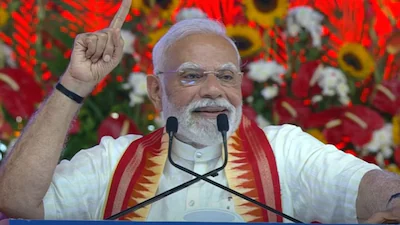
On September 22, 2025, Prime Minister Narendra Modi declared the start of the “GST Savings Festival” (GST Bachat Utsav), a landmark initiative under the new GST 2.0 reforms. This festival marks a new chapter in India’s tax journey, with the government aiming to reduce the everyday burden of families while also giving the economy a strong festive season boost. Modi, in his address to the nation, described it as a “festival of savings” that will touch every household and bring visible relief in daily expenses.
What Is the GST Savings Festival?
The GST Savings Festival is part of the government’s drive to make the tax system simpler, fairer, and more consumer-friendly. Earlier, India had a complicated GST system with four main slabs: 5%, 12%, 18%, and 28%. Now, under GST 2.0, this has been reduced to two main slabs of 5% and 18%, with a special 40% slab for luxury and sin goods like tobacco, premium vehicles, and sugary drinks.
More than 50 essential items have been moved to the zero-tax category. This means no GST at all on basics like grains, fresh milk, some medicines, and educational materials. PM Modi explained that this step was designed to make daily living more affordable for the poor and middle class while also encouraging people to spend more freely.
What Gets Cheaper
- Food Essentials: Dairy items such as butter, ghee, paneer, and packaged products like jams, sauces, and dry fruits now carry lower GST, making grocery shopping lighter on the pocket.
- Household Needs: Toiletries like soap, shampoo, toothpaste, and shaving creams have shifted to the 5% slab, helping monthly budgets stretch further.
- Electronics: Goods like televisions (above 32 inches), refrigerators, washing machines, and air conditioners have seen their GST drop from 28% to 18%. This could bring down costs by several thousand rupees.
- Automobiles: Small cars, scooters, and motorcycles below 350cc are now cheaper by up to ₹1.2 lakh in some cases, making vehicle ownership easier for middle-class families.
- Health & Education: A wide range of medicines, hospital devices, health insurance premiums, school books, and stationery items are now either tax-free or in the 5% slab.
How Families Benefit
For Indian households, the impact of these changes will be felt in day-to-day life. A family of four may see their grocery bills fall by 8–12% each month. The purchase of a new car or refrigerator will involve thousands of rupees less in taxes. Medicines and insurance policies becoming cheaper means more money saved for emergencies and long-term security.
Combined with the government’s earlier announcement that income up to ₹12 lakh annually is tax-free, the reforms create what PM Modi called a “double bonanza.” Families will not only pay less tax on income but also less on consumption, giving them more disposable income overall. Economists estimate that the country as a whole may save ₹2.5 lakh crore annually from these combined reforms.
Who Gains the Most
- Poor and Middle-Class Families: These groups will experience the biggest relief, with essentials and services now much cheaper.
- Youth and Women: With personal care products, electronics, and services taxed lower, this demographic will find modern goods more affordable.
- Farmers & MSMEs: By lowering GST on agricultural inputs and simplifying compliance rules, farmers and small businesses will also benefit from reduced costs and less red tape.
PM Modi stressed that this festival was designed to empower the “neo-middle class” – those families who are climbing up the economic ladder and need support to sustain their growth.
Challenges and Concerns
Despite the celebration, experts note that the real challenge lies in implementation. Will retailers pass on these benefits fully to customers? Will older stocks with higher GST labels cause confusion in billing? Small traders are seeking government guidance on how to handle the transition smoothly. Consumer rights groups have also asked for strong monitoring to ensure businesses do not keep extra margins under the guise of GST changes.
Bigger Picture: A Push for the Economy
PM Modi has positioned the GST Savings Festival as not just a tax reform but also a growth strategy. With households saving more, consumer demand is expected to rise during the festive season. This will directly benefit sectors like automobiles, electronics, FMCG, and retail. Analysts suggest that the reforms could boost GDP growth by 0.5% in the next financial year.
The Prime Minister also tied the announcement to his broader vision of Atmanirbhar Bharat (self-reliant India). He urged citizens to buy Indian-made goods, emphasizing that every rupee spent on Swadeshi products strengthens local industries and jobs.
Why It Matters Now
The timing of this announcement, just ahead of major festivals like Diwali and Navratri, is politically significant. By reducing costs for families right before the biggest shopping season of the year, the government is aiming to lift public mood and also strengthen its connection with the middle class—a crucial voter base in upcoming elections.
For many families, the GST Bachat Utsav may mean the difference between buying basic necessities and indulging in long-postponed purchases. For the economy, it is a chance to boost confidence, revive demand, and continue India’s growth story.
FOR MORE BLOGS – beyondthepunchlines.com

Author: Team BTP

 Add to favorites