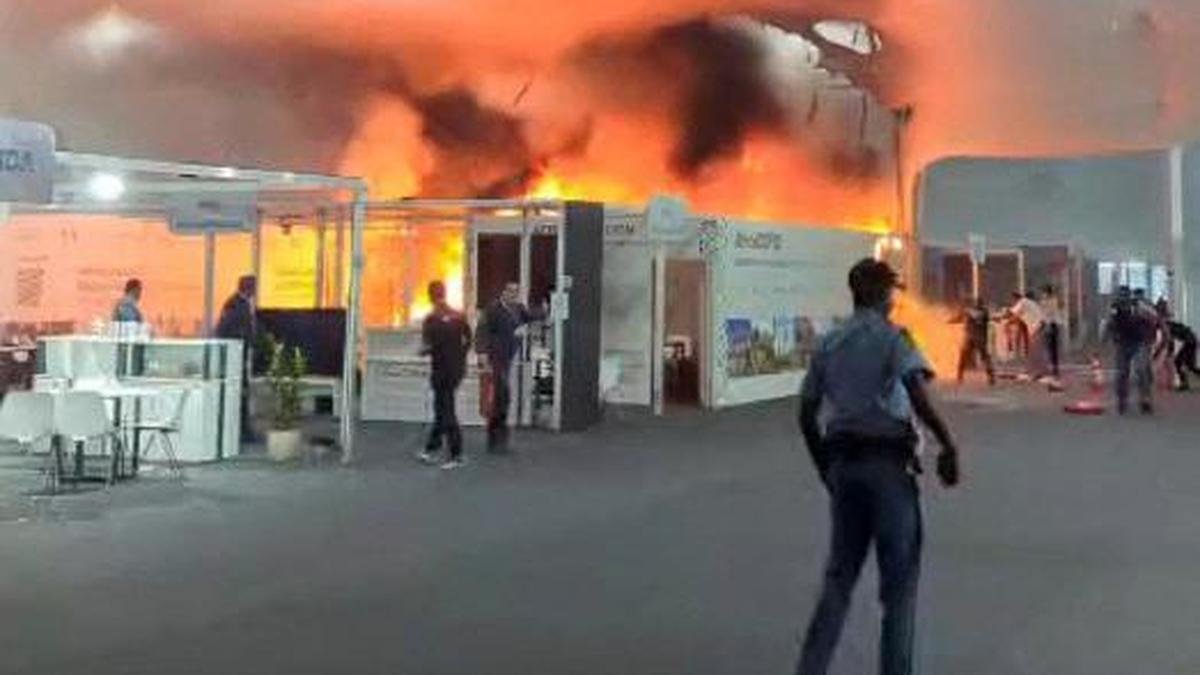
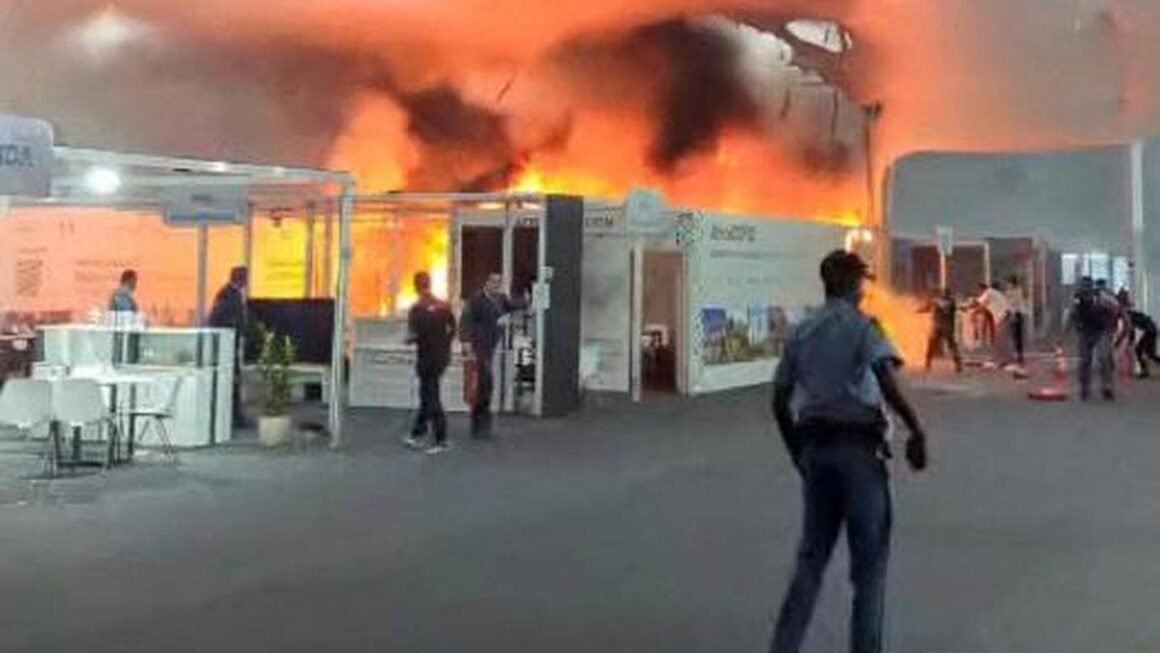
On 20 November 2025, a fire broke out inside a pavilion at the COP30 Venue in Brazil climate summit in Belém, Brazil, triggering widespread alarm, swift evacuations, and a temporary disruption of critical climate negotiations. As delegates from around the world gathered to shape the future of global climate action, the sudden emergency exposed vulnerabilities in the summit’s infrastructure and logistical preparedness. This comprehensive report breaks down everything we know so far — from the cause of the blaze to its political, economic, and environmental implications.
A Sudden Fire That Shocked the Global Climate Community
The incident occurred inside the Blue Zone, the nerve centre of COP30 Venue in Brazil, where world leaders, policymakers, ministers, and country delegations conduct high-stakes negotiations. Thick smoke was first seen emerging from one of the country pavilions, prompting an immediate evacuation protocol.
Fire units stationed near the venue responded almost instantly and controlled the flames within six minutes. The rapid response prevented a much larger disaster, especially given the interconnected nature of the temporary structures.
Early investigations point to a probable electrical malfunction, with reports suggesting an overheated microwave, faulty generator wiring, or a short-circuiting appliance may have triggered the blaze.
What Unfolded Inside the Pavilion?
Eyewitnesses described scenes of panic as delegates rushed to exit the smoke-filled pavilion. Emergency alarms sounded across the Blue Zone, and security personnel began ushering people out toward safe assembly areas.
Key developments:
- 13 attendees were treated for smoke inhalation
- No serious injuries or fatalities were reported
- Thick smoke briefly spread to adjacent structures
- Fire-retardant materials helped prevent rapid flame expansion
Authorities credit the pavilion’s flame-resistant fabric with containing the fire long enough for teams to extinguish it before it spread to other units.
Immediate Impact on COP30 Venue in Brazil Negotiations
The fire forced a full evacuation of the Blue Zone, causing a temporary suspension of crucial discussions on climate finance, loss and damage funding, and carbon reduction commitments.
Important meetings affected:
- High-level finance negotiations between G20 and developing nations
- Drafting sessions for the Global Renewables Roadmap
- Technical consultations on carbon markets
While parts of the venue reopened after safety checks, several negotiation rooms remained inaccessible for hours, leading to delays that may push the summit’s timeline.
Global Reactions: Relief, Concern, and Questions
World leaders and climate activists reacted swiftly on social media, expressing gratitude for the quick emergency response but demanding answers about infrastructural safety.
Common concerns included: COP30 Venue in Brazil
- Why temporary structures were not subjected to stricter electrical checks
- Whether last-minute construction created vulnerabilities
- If global climate events require a new universal safety protocol
Representatives from vulnerable nations expressed frustration, stating that even brief delays undermine the momentum needed to secure meaningful climate commitments.
Brazilian Authorities Promise Transparency and Enhanced Safety
The governor of Pará and COP30’s organizing committee assured delegates that:
- A full forensic investigation is underway
- Additional fire personnel will be deployed across the venue
- Electrical equipment in all pavilions will undergo renewed inspections
The UNFCCC Secretariat acknowledged the “high professionalism” of emergency teams and confirmed that the summit will continue with strengthened safety oversight.
The Political Fallout: Climate Diplomacy Meets Real-World Fragility
The timing of the incident could not be more sensitive. COP30 is widely regarded as one of the most decisive climate summits of the decade. With countries still negotiating funding obligations and renewable energy targets, the fire temporarily shifted attention away from policy debates.
Experts warn:
- Major polluting nations may gain breathing room due to the distraction
- Developing economies may lose critical negotiation momentum
- Media focus may divert to logistical criticism rather than climate pressure
Still, many analysts believe the event will intensify the push for climate-resilient infrastructure, reinforcing the need for robust systems in the face of rising global temperatures.
Social Media Buzz and Narratives
Within minutes, videos of smoke pouring out of the pavilion flooded X, Instagram, and news platforms. Reactions ranged from sympathy to criticism.
Prominent themes included:
- Memes comparing the summit’s fire to the “planet on fire” due to rising emissions
- Activists questioning why leaders arriving in private jets speak on climate risks
- Experts calling for safer, greener event infrastructure
The online narrative quickly turned the fire into a symbolic reminder of the global climate crisis — real, urgent, and destabilizing.
The Economic Ripple Effect in Belém
Belém, hosting COP30 for the first time, has invested billions in infrastructure upgrades, tourism facilities, and transport modernization.
Short-term impacts of the incident include:
- Disruption of business networking sessions
- Cancellation of several side events and exhibitions
- Delays in cultural showcases planned for the evening
Local government officials claim the long-term economic optimism around COP30 remains intact, though the fire has sparked discussions on whether rapid construction ahead of global events compromises safety.
Lessons for Future COP Summits
The COP30 Venue in Brazil fire is likely to influence the way future climate summits are planned. Experts have already outlined several recommendations:
- Independent electrical inspections for all temporary installations
- Mandatory fire safety audits for pavilions
- Increased number of on-site firefighters
- Limitations on heavy appliances like microwaves inside pavilions
- Regular evacuation drills
COP30 Venue in Brazil hosts may face stricter guidelines and more rigorous compliance requirements in the coming years.
Symbolism: A Planet on Fire, A Summit Interrupted
The irony was not lost on delegates or observers — a climate conference meant to address the planet’s rising temperatures was itself disrupted by fire. The incident, though contained, underscores the fragility of infrastructure in the era of climate extremes.
It emphasizes a key message: Climate resilience must begin with the systems we build, the spaces we inhabit, and the events we organize.
Conclusion: COP30 Venue in Brazil
The fire at the COP30 Venue in Brazil was controlled swiftly, preventing what could have been a massive tragedy. Yet the incident has raised urgent questions about safety preparedness, infrastructural resilience, and the ability of major global events to withstand emergencies.
As the summit resumes with heightened caution, the world watches closely — not only for progress on climate agreements but also for accountability, transparency, and lessons that ensure such incidents do not recur.
COP30’s message remains unchanged: the planet is at a tipping point, and humanity cannot afford delays — whether caused by political disagreements or unexpected fires.
FOR MORE BLOGS – beyondthepunchlines.com

Author: Team BTP

 Add to favorites