Digital tracking in the EPR portal audits for compliance is a foundational pillar of modern Extended Producer Responsibility (EPR) systems designed to eliminate greenwashing and bring authentic accountability into waste management compliance. As industries generate increasing volumes of plastic, electronic, and hazardous waste, governments now mandate that producers take responsibility for the lifecycle of their products.
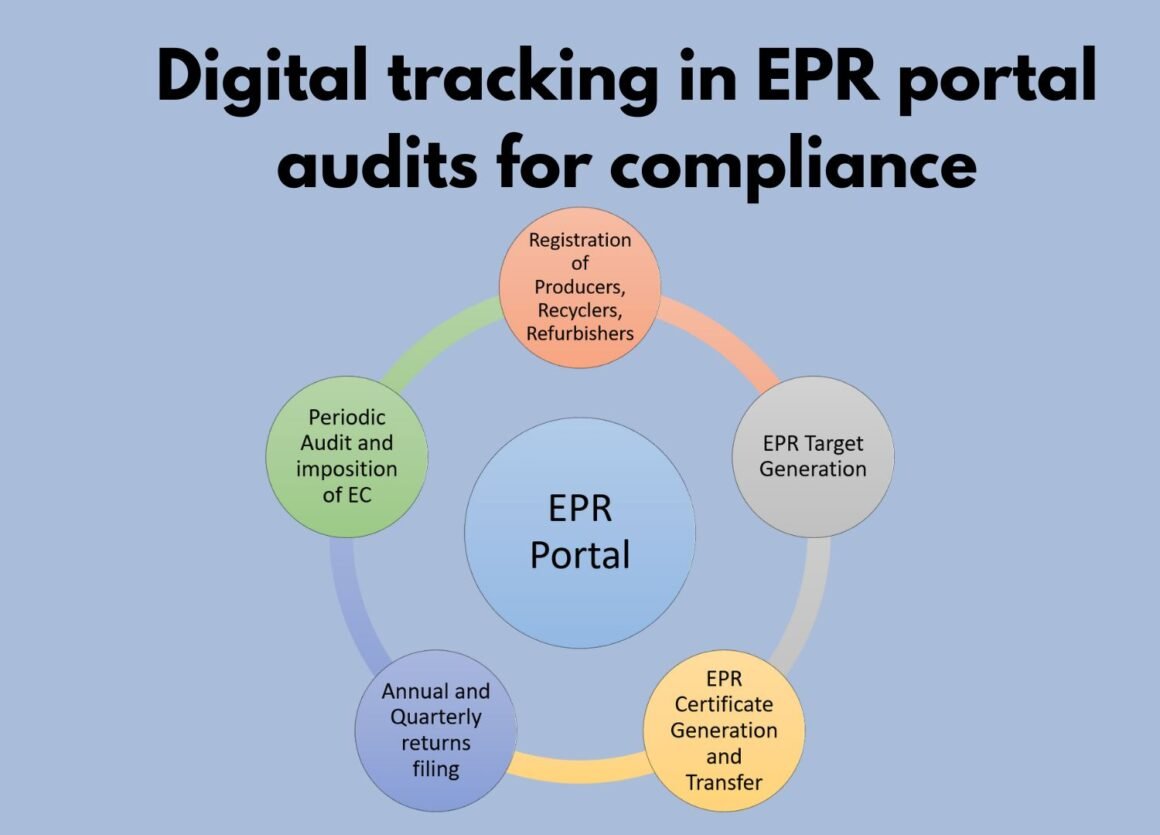
However, traditional compliance models were opaque, allowing manipulation, fake certificates, and lack of traceability. Digital tracking ensures real-time visibility of waste movement, while portal audits verify whether reported recycling and processing claims are genuine. Together, these mechanisms prevent fraud, promote transparency, and strengthen data reliability across the waste value chain.
Extended Producer Responsibility (EPR) has emerged as a critical regulatory tool for addressing the growing challenge of waste management, especially in sectors like plastic packaging, electronics, and batteries. However, the success of any EPR system depends heavily on transparency and accountability. This is where digital tracking systems and EPR portal audits become essential pillars of an efficient and corruption-resistant waste value chain.
Understanding EPR: From Compliance to Accountability
EPR policies make producers, importers, and brand owners (PIBOs) responsible for managing the end-of-life impact of the products they introduce into the market. While earlier compliance models relied on manual reports, self-declarations, and paper-based certificates, these systems left room for manipulation, double-counting of waste, and greenwashing practices. The shift toward digital EPR portals has redefined compliance by enabling real-time tracking, data standardization, and cross-verification.
What Is Digital Tracking in EPR?
Digital tracking refers to the end-to-end monitoring of waste collection, transportation, processing, and recycling using online platforms and traceable documentation. Advanced EPR portals allow registered recyclers, producer responsibility organizations (PROs), and PIBOs to log waste transactions backed by:
- Geo-tagged images from recycling facilities
- QR/barcode-based tracking of waste consignments
- Digitally verified certificates for recycled quantities
- Automated reconciliation of producer obligations
By replacing paper trails with a digital evidence trail, these portals reduce fraudulent reporting and promote transparency in waste value chains.
Role of EPR Portal Audits
Even digital systems are vulnerable to misuse if not backed by strong audit mechanisms. EPR portal audits act as regulatory guardrails to ensure that online claims match ground realities. These audits involve:
- Cross-verification of digital certificates with physical waste records
- Capacity checks of recyclers to prevent over-issuance of recycling credits
- Sampling and inspection of partner recyclers linked to PIBOs
- Identification of duplicate or suspicious transactions
Audit trails are logged in the portal and reviewed by regulatory bodies such as State Pollution Control Boards (SPCBs) and Central Pollution Control Boards (CPCB), ensuring accountability across the system.
Why Transparency Matters: Digital tracking in the EPR portal audits for compliance
Digital tracking in the EPR portal audits for compliance
- Traceability: Every kilogram of waste can be traced from producer to recycler
- Fair Compliance: Prevents fake EPR certificates and illegal trading of credits
- Environmental Integrity: Ensures actual recycling instead of landfill diversion
- Regulatory Efficiency: Enables data-driven enforcement and reporting
These mechanisms build trust among stakeholders and strengthen extended producer responsibility as a practical solution—not just a policy obligation.
Challenges in Implementation
Despite progress, several issues still limit full transparency in EPR systems:
- Fake recyclers and shell companies generating bogus certificates
- Limited on-ground audits due to regulatory manpower constraints
- Data manipulation through proxy accounts or contractor networks
- Inclusion challenges for informal waste pickers in digital records
Addressing these challenges requires continuous improvement in portal design, real-time tracking integration, and third-party audit frameworks.
The Way Forward: Digital tracking in the EPR portal audits for compliance
To ensure transparent and effective EPR implementation, governments and industries must:
- Adopt blockchain or tamper-proof ledgers for certificate tracking
- Enable AI-based fraud detection in recycling transactions
- Mandate third-party verification of recycler capacities
- Integrate GST, weighbridge, and transport data with EPR platforms
- Publish annual national EPR performance dashboards for public oversight
Digital tracking in the EPR portal audits for compliance—it is the foundation of trustworthy environmental action. With stronger EPR portal audits and smart tracking technologies, circular economy goals can finally scale with integrity.
FOR MORE BLOGS – beyondthepunchlines.com

Author: Nitin mittal
CA by qualification

 Add to favorites