By BeyondThePunchlines.com | Regional Flavours Series
In a country where dal is eaten in every home and every region has its own variation, “Moradabadi Daal“ stands out as a culinary revelation. It’s not just a comfort food; it’s a street food superstar, served hot, topped fresh, and bursting with zingy, smoky flavor. The origins may be humble, but the taste has made it legendary – especially in the city of Moradabad, Uttar Pradesh.
Let’s explore the legacy, flavor science, and cultural punch behind this simple-yet-soulful bowl.
What is Moradabadi Daal?
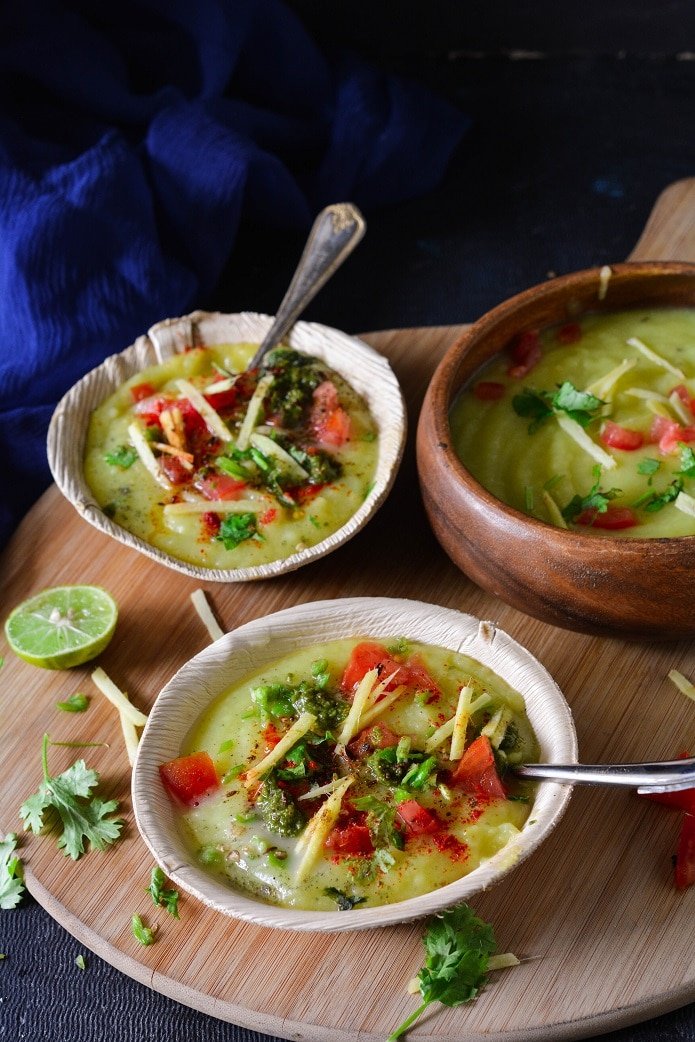
At its heart, Moradabadi Daal is yellow moong dal, slow-cooked till it’s smooth and mushy. But the magic lies in how it’s assembled and served:
- No tempering during boiling
- Served in kulhads (clay cups) for earthy aroma
- Topped fresh with onions, coriander, green chillies, lemon juice, chaat masala, and a dash of desi ghee
Sometimes you’ll even find it topped with crushed papdi, sev, or boondi to add crunch. It’s not meant to be paired with rice or roti — it is served solo, much like a spicy, hearty chaat with dal as the hero.
Why Moradabad?
Moradabad is widely known for its brass industry, but among foodies, it holds a special place for this legendary daal. Its origin story is deeply tied to the railway station food culture and the simple brilliance of street vendors who crafted this dish from leftover boiled dal.
Over the years, it transformed into a street classic. Vendors innovated with toppings, and soon every local had their favorite place to get a steaming kulhad full of Moradabadi daal.
What kept it iconic?
- Low cost
- Customization on the go
- Comfort + flavor packed in one
It spread beyond Moradabad Daal into Bareilly, Lucknow, Delhi NCR, and across North India’s railway stations, hostels, and college canteens.
The Science of the Flavor
Moradabadi Daal hits the spot because of how it blends:
- Umami & Tang: The natural protein flavor of moong dal with lemon, chaat masala, and ghee
- Texture Contrast: Smooth dal with crunchy onions, green chillies, and papdi
- Heat & Freshness: Served piping hot and topped cold, creating a perfect flavour layering
This makes it irresistible as a quick bite, especially in winter evenings or rainy afternoons.
A Street Snack with Soul
What separates Moradabadi Daal from other dal dishes is that it isn’t meant for a full meal. It’s a snack, a chaat cousin, a quick hug in a kulhad. It’s nutritious, easy to digest, and just the right amount of spicy.
You’ll often see:
- Vendors selling it late into the night
- Customers asking for extra lemon or double masala
- People sipping and walking, much like a takeaway latte
Where to Try the Real Thing
If you’re ever in Uttar Pradesh or Delhi, don’t miss:
- Moradabad Railway Station: The real-deal kulhad daal
- Old Delhi Street Carts: Especially near Jama Masjid and Chandni Chowk
- Nizamuddin Station: Quick daal stalls during train layovers
- Local Thelas in Lucknow, Noida, and Ghaziabad
Modern cafes have started putting it on their menu, but ask any local and they’ll point you to the cart guy who serves it best.
Make It at Home: Quick Recipe
Want to recreate this flavor?
You’ll Need:
- 1 cup yellow moong dal
- Salt, turmeric, 1 tbsp ghee
- Chopped onions, coriander, green chillies
- Lemon juice, chaat masala
- Optional: crushed papdi or sev
How to Make:
- Boil the dal with turmeric and salt till mushy
- Mash and keep hot in a saucepan
- Serve in bowls or kulhads
- Add toppings: onions, chillies, coriander, lemon juice, masala, ghee
- Stir, sip, and feel the soul of Moradabad
Pop Culture & Comebacks
Thanks to Instagram food reels and regional food influencers, #MoradabadiDaal is seeing a revival among the youth. College cafes are adapting it with modern garnishes. Some are even bottling the spice mix to sell online.
What was once a street-side survival snack is now becoming a hipster-friendly food trend.
Final Scoop: Simple, Spicy, Soulful
Moradabadi Daal is a testament to Indian street food genius. In a single bowl, it packs:
- Nutrition
- Flavour
- Legacy
- Adaptability
From the brass alleys of Moradabad to urban kitchens and viral food stories, this daal is here to stay. It may not have a brand ambassador or food chain to back it, but it has what most food brands crave – emotion, memory, and loyalty.
So next time you hear someone say, “Moradabad ki daal khayi hai?”, know they’re not just asking about a recipe.
FOR MORE BLOGS –beyondthepunchlines.com

Author: Team BTP

 Add to favorites