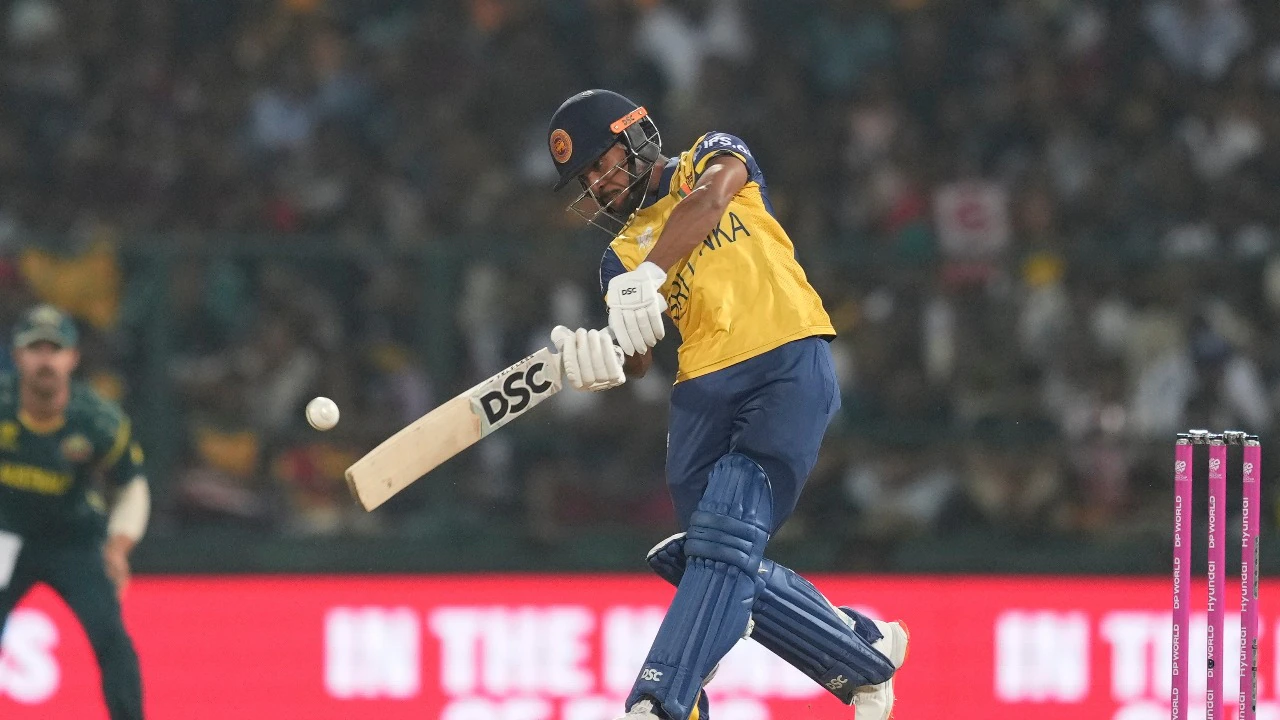
When Australia vs Sri Lanka takes center stage in international cricket, it is rarely just another bilateral contest. It is a clash between one of cricket’s most dominant forces and a nation that has repeatedly punched above its weight on the global stage.
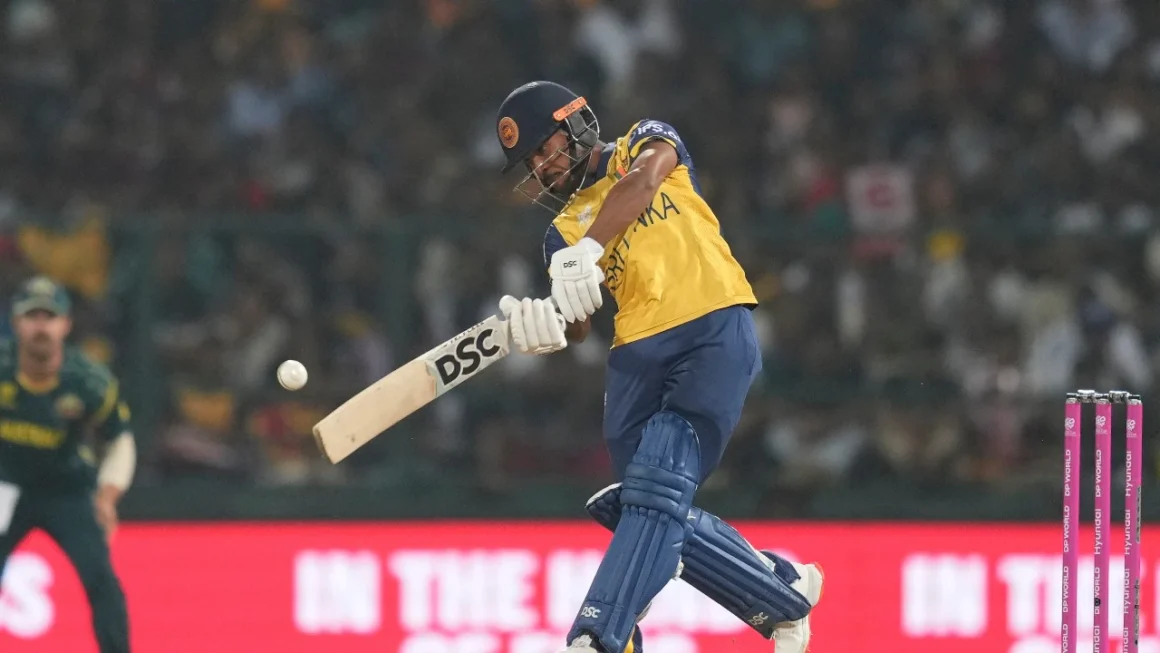
From World Cup finals to unforgettable upsets in subcontinental conditions, this rivalry has evolved into a compelling narrative of power, pride, and periodic resurgence.
For cricket fans in India and across Asia, this matchup carries historical weight and modern relevance—especially in ICC tournaments where both teams often find themselves in high-pressure situations.
The Historical Edge: Australia’s Era of Supremacy
For much of the late 1990s and 2000s, Australia national cricket team dominated world cricket. Against Sri Lanka national cricket team, they often held the psychological and tactical upper hand.
The rivalry’s defining moment came in the Cricket World Cup, where Australia crushed Sri Lanka in the final to lift their second World Cup trophy. Eight years later, the two teams met again in the Cricket World Cup final, and once again Australia emerged victorious.
These defeats left scars on Sri Lanka’s cricketing psyche, but they also planted seeds of determination that would later reshape the contest.
During this era, Australia’s strength lay in:
- Ruthless fast bowling
- Aggressive top-order batting
- Tactical leadership
- Exceptional fielding standards
Sri Lanka, meanwhile, relied heavily on individual brilliance and spin-friendly home conditions.
Sri Lanka’s Comeback Story:Australia vs Sri Lanka
Over the years, Sri Lanka rebuilt its squad with a focus on youth and adaptability. While Australia remained competitive globally, Sri Lanka began rediscovering its identity—especially in limited-overs cricket.
In recent ODI and T20 encounters, Sri Lanka has shown they can:
- Neutralize Australia’s pace attack on slower tracks
- Build structured chases rather than relying on explosive bursts
- Develop multi-dimensional bowling attacks
Victories in bilateral ODI series in Asia have demonstrated that the gap between the two teams is no longer as wide as it once was.
Format-Wise Battle: Australia vs Sri Lanka
Test Cricket
In Tests, Australia traditionally holds a stronger record overall, especially in home conditions like Perth, Melbourne, and Sydney. However, Sri Lanka has proven formidable in Colombo and Galle, where spin dominates the narrative.
Australia’s recent overseas success in Sri Lanka marked a significant achievement, ending a long drought in subcontinental Test victories. It highlighted their improved ability to handle spin and extreme heat conditions.
One-Day Internationals (ODIs)
The ODI rivalry has produced several memorable contests. Sri Lanka’s strength in Asia often challenges Australia’s structured approach. In recent series played in Sri Lanka, the home team has managed convincing wins, proving their resurgence in the 50-over format.
Key tactical shifts in ODIs:
- Sri Lanka focusing on middle-overs control
- Australia emphasizing powerplay dominance
- Increased role of all-rounders in both squads
T20 Internationals
T20 cricket has made the rivalry even more unpredictable. The format reduces historical dominance and increases volatility. Sri Lanka has capitalized on this unpredictability in ICC tournaments, including the recent ICC Men’s T20 World Cup clash where Sri Lanka registered a crucial victory.
That win significantly impacted group-stage standings and demonstrated that Sri Lanka is once again capable of beating top-tier teams in high-pressure scenarios.
Tactical Differences Between the Two Teams
Australia’s Approach
- Aggressive intent from ball one
- Reliance on pace and bounce
- Data-driven planning
- Depth in batting
Sri Lanka’s Approach
- Patience in chase
- Spin variations and slower balls
- Adaptability to conditions
- Youth-led energy
These contrasting cricketing philosophies make every encounter fascinating. Australia plays calculated dominance. Sri Lanka plays situational intelligence.
Why This Rivalry Still Matters
Even though Australia historically leads in overall head-to-head numbers, modern cricket has narrowed the competitive gap. The rise of younger Sri Lankan players and Australia’s transitional phases have created more evenly matched contests.
For global tournaments:
- Australia enters as a structured powerhouse.
- Sri Lanka enters as a dangerous disruptor.
This dynamic keeps fans engaged because the outcome is no longer predictable.
The Bigger Picture
Australia vs Sri Lanka is more than statistics. It reflects:
- The evolution of Asian cricket
- The resilience of smaller cricketing economies
- The shift from dominance to parity in modern cricket
With ICC events becoming increasingly competitive, every clash between these two sides now carries qualification implications, net run-rate consequences, and momentum shifts that define entire tournaments.
Conclusion
The Australia vs Sri Lanka rivalry has transformed from one-sided dominance into a balanced, high-stakes battle. While Australia remains a benchmark in world cricket, Sri Lanka has proven that history does not guarantee future results.
In today’s cricketing landscape, when these two teams meet, expect intensity, tactical depth, and the possibility of an upset. And that unpredictability is exactly what makes this rivalry compelling in 2026 and beyond.
FOR MORE BLOGS – beyondthepunchlines.com

Author: Team BTP

 Add to favorites