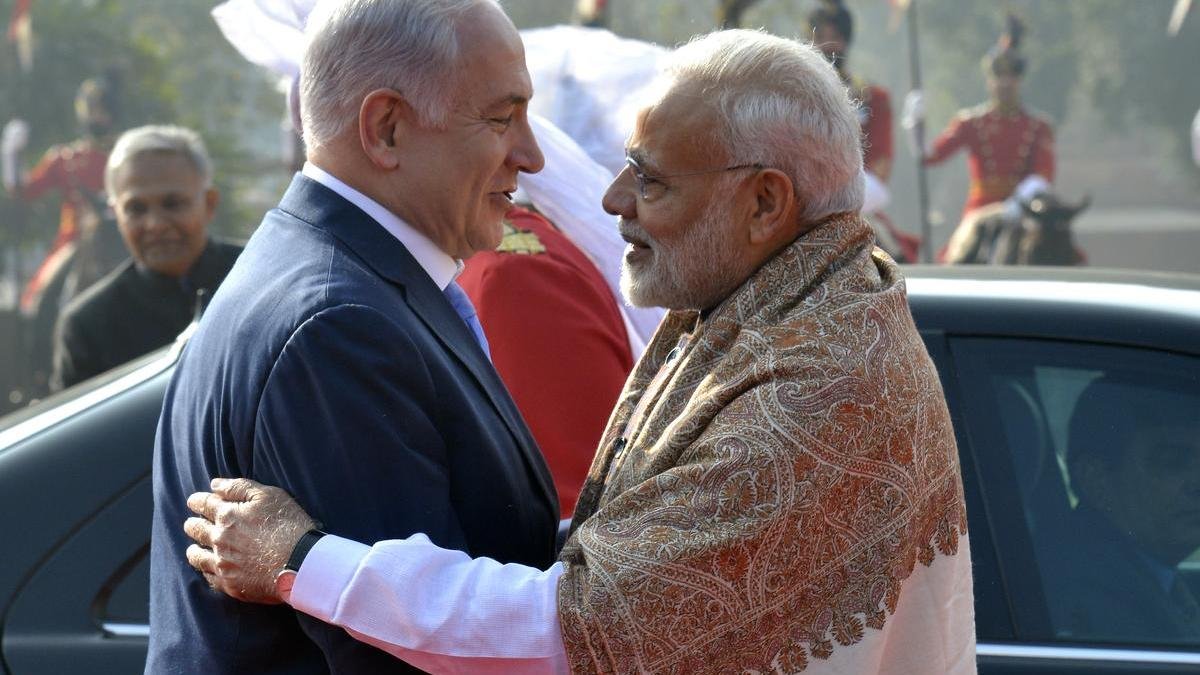
The PM Modi Israel visit takes place at a strategically sensitive moment in West Asian geopolitics. As Prime Minister Narendra Modi prepares for high-level engagements in Israel, the diplomatic environment is shaped by regional security concerns, Israel’s internal political debates, and India’s broader foreign policy balancing strategy.
While India and Israel share a deep and expanding strategic partnership, the visit unfolds against geopolitical headwinds that require careful diplomatic navigation.
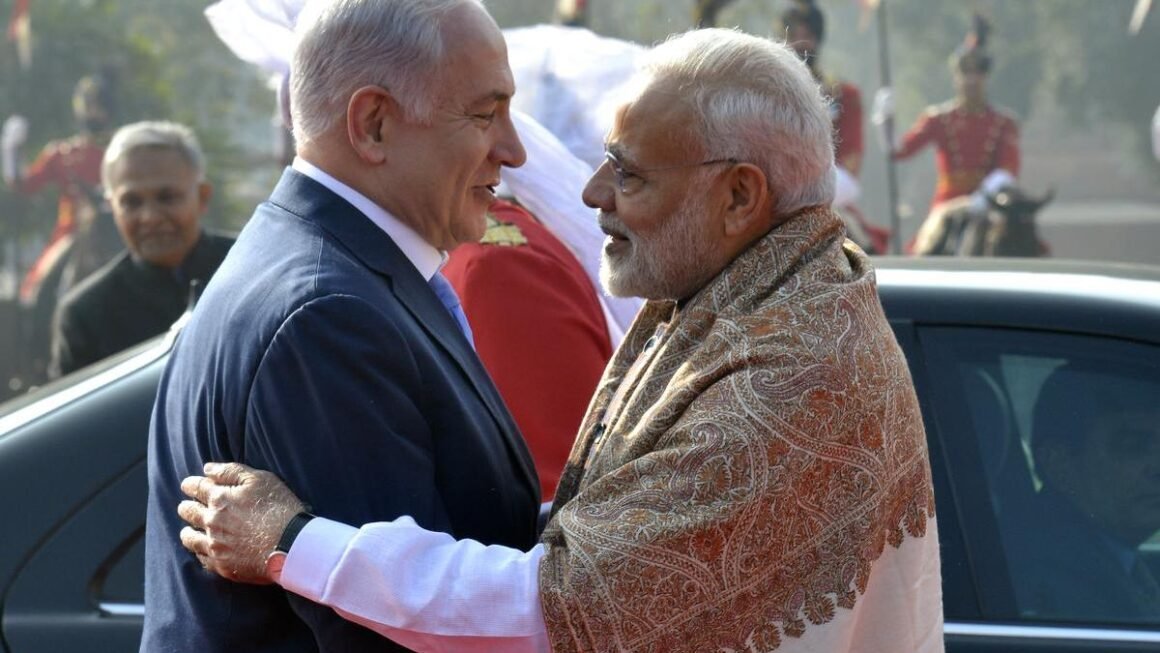
Strategic Importance of the Visit
India–Israel relations have evolved into a comprehensive strategic partnership encompassing defence, agriculture, innovation, water management, cybersecurity, and high technology. Israel remains one of India’s key defence suppliers, while India represents a significant economic and strategic partner for Israel in Asia.
Discussions during the PM Modi Israel visit are expected to focus on:
- Advanced defence collaboration and joint production
- Technology partnerships in AI and semiconductors
- Counter-terrorism coordination
- Innovation and startup ecosystem cooperation
- Agricultural and water sustainability solutions
The visit reinforces India’s commitment to strengthening bilateral ties while expanding technological and economic engagement.
Domestic Political Context in Israel
One of the immediate challenges surrounding the PM Modi Israel visit stems from Israel’s internal political climate. Prime Minister Benjamin Netanyahu continues to face domestic political tensions, particularly over judicial reforms and governance issues.
Reports of potential political disagreements linked to events at the Knesset have added an element of unpredictability to the visit’s optics. While such developments are part of Israel’s democratic process, they underscore the importance of ensuring that bilateral diplomacy remains insulated from internal political debates.
For India, maintaining a neutral and respectful diplomatic posture is essential.
Regional Security Dynamics and the Iran Factor
The broader West Asian security environment presents another layer of complexity. Ongoing tensions between Israel and Iran continue to influence regional stability. Any perceived strategic alignment may be interpreted within this larger geopolitical framework.
India’s foreign policy in West Asia has traditionally emphasised balance. While strengthening ties with Israel, New Delhi has simultaneously maintained robust relations with Gulf countries and engaged constructively with Tehran.
This balanced approach is critical for several reasons:
- Energy security and oil imports
- Protection of Indian expatriates in the Gulf region
- Regional stability affecting trade routes and investments
The PM Modi Israel visit must therefore reinforce bilateral cooperation without disrupting India’s broader regional engagements.
Multilateral Implications
The visit also carries multilateral significance. The evolving role of the United States in shaping West Asian alliances, alongside emerging frameworks such as economic and technology partnerships involving India and Israel, highlights the interconnected nature of contemporary diplomacy.
India’s engagement with Israel increasingly aligns with its wider global ambitions, including participation in technology supply chains, defence innovation networks, and Indo-Pacific strategic initiatives.
However, India continues to pursue strategic autonomy, ensuring that partnerships are guided by national interest rather than bloc politics.
Diplomatic Optics and the Palestine Question
India has historically supported a peaceful two-state solution and maintained principled engagement with Palestine. As India deepens ties with Israel, it must also reaffirm its commitment to dialogue and peaceful conflict resolution.
The PM Modi Israel visit will likely be closely observed by countries in the Global South and the Arab world. Diplomatic messaging that emphasizes peace, stability, and development cooperation will be critical in maintaining India’s balanced international image.
Economic and Technological Prospects
Beyond geopolitics, the visit holds strong economic promise. Bilateral trade between India and Israel has grown steadily, driven by sectors such as:
- Defence manufacturing
- Renewable energy
- Precision agriculture
- Cybersecurity
- Innovation and startups
Enhanced cooperation in these areas aligns with India’s goals of technological self-reliance and industrial modernisation.
Conclusion
The PM Modi Israel visit represents a significant diplomatic engagement at a time of geopolitical complexity. While strategic cooperation between India and Israel continues to deepen, regional tensions and domestic political dynamics in Israel create a challenging backdrop.
India’s approach reflects a pragmatic and balanced foreign policy — strengthening critical partnerships while preserving strategic autonomy and regional equilibrium.
FOR MORE BLOGS – beyondthepunchlines.com

Author: Team BTP

 Add to favorites